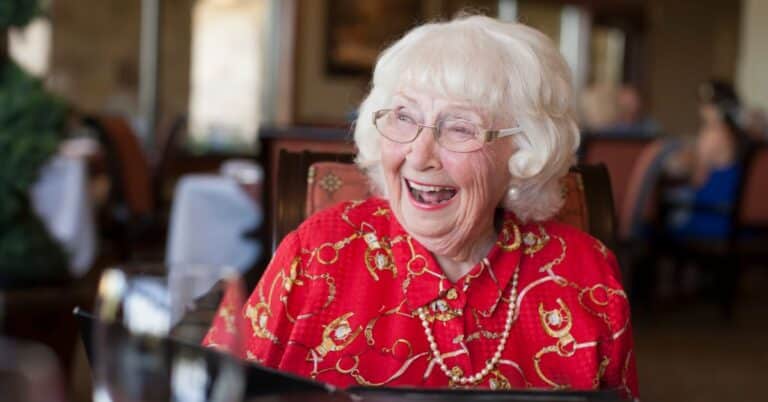
Music technology now offers new hope for residents in our assisted living community in Eau Claire, WI, bringing residents together through active participation and real therapeutic benefits.
Music activates both brain hemispheres simultaneously, engaging preserved neural networks that support memory, emotion and motor function.
Traditional music therapy requires certified professionals, but SingFit operates on standard devices, making therapeutic music accessible for daily use across assisted living communities. This practical approach shifts care from appointments to ongoing engagement that residents genuinely look forward to experiencing.
What is SingFit and How Does it Work in an Assisted Living Community?
Heritage at Oakwood Hills in Eau Claire, WI, offers residents something special through SingFit, a therapeutic music platform created by certified music therapists. Rather than playing background music that residents might ignore, SingFit invites everyone to participate actively, giving residents with dementia and cognitive decline a chance to experience music in ways that feel natural and joyful.
Start Your Next ChapterUnderstanding lyric prompting technology
SingFit works through its patented lyric prompting system. The technology speaks song lyrics aloud just before residents need to sing them. This spoken word prompting feeds the words to singers right before they appear in the melody, which means participants don’t need to read lyrics or rely on memory to sing along successfully.
Think of it as having a helpful friend whispering the words just when you need them. The lyric coach track digitizes an evidence-based music therapy practice called lyric cueing. When a resident is singing “Blueberry Hill,” they hear the words spoken moments before the melody requires them. This advance notice gives the brain time to prepare, making singing accessible even for those with advanced dementia or vision impairments.
The four-track system explained
SingFit uses a four-track audio system and each track serves a specific purpose. The first track contains the lyric coach delivering spoken prompts. The second features a guide singer that residents can follow, much like singing along with the radio. The third track provides stereo background music, while the fourth allows residents to record their own voices.
Every track includes adjustable volume controls, giving facilitators the ability to customize the experience based on specific needs. Residents can increase the lyric coach volume when they need more support or lower the guide singer as they become more confident. The app contains over 700 songs spanning multiple decades and genres, from “You Are My Sunshine” to Frank Sinatra classics.
How SingFit creates a failure-free experience
The failure-free concept removes the anxiety many residents feel about forgetting words or making mistakes. Since the lyric prompting delivers words in advance, residents can sing successfully regardless of their cognitive abilities or memory deficits. This differs fundamentally from activities like reading or conversation, where memory lapses create frustration and withdrawal.
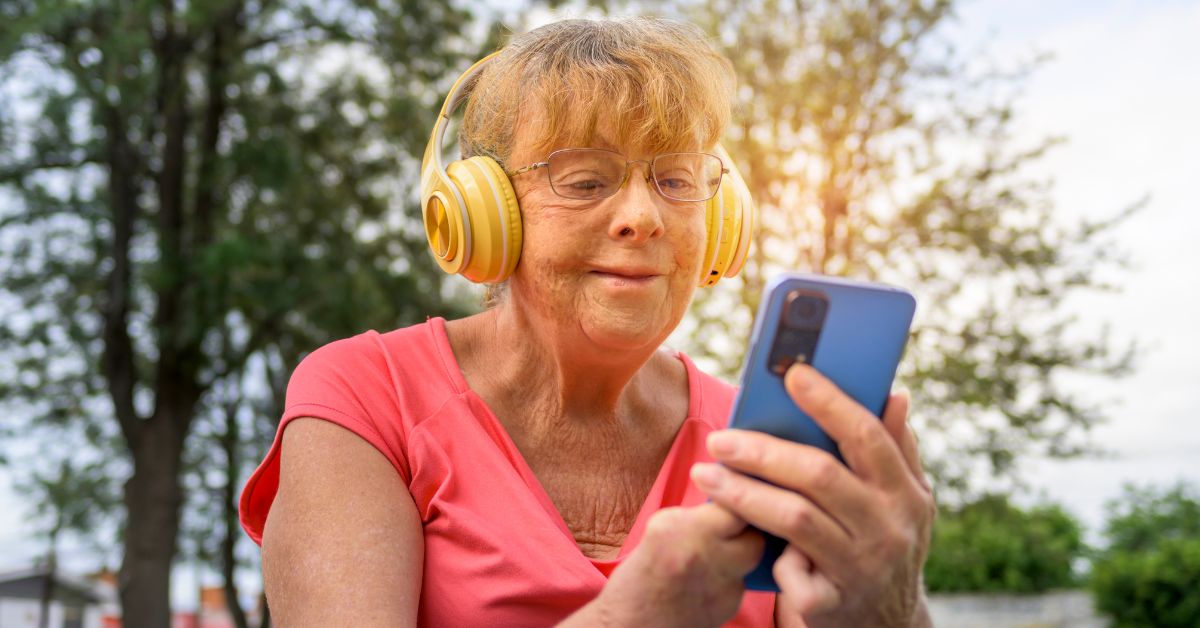
The app works on iOS and Android devices, making it accessible across different technologies. Music therapists designed age-based algorithms that select appropriate songs based on residents’ preferences and health conditions, taking the guesswork out of playlist creation. Your loved one doesn’t need to worry about remembering words or keeping up – the system supports them every step of the way.
What Science Tells Us About Music’s Healing Power
Music awakens the whole brain
Something beautiful happens when we sing. The brain lights up across both hemispheres, creating connections that support memory, emotion and movement. Singing requires coordination between two major brain pathways: one that helps us produce vocal sounds and another that processes what we hear. Musicians show enhanced connectivity (Tragantzopoulou & Giannouli, 2025) between the left and right sides of their brains compared to non-musicians, which helps explain why musical memories persist even in advanced dementia.
Music’s direct path to emotional healing
Music reaches the limbic system, particularly the brain structures that process emotions and memories. Live musical experiences trigger stronger emotional responses than recorded music, suggesting that interactive sessions provide deeper therapeutic benefits.
Music Experience at Assisted Living
This technology transforms traditional care through active engagement rather than passive listening, creating joyful moments and meaningful connections for residents facing cognitive challenges. The failure-free experience removes anxiety and sparks genuine smiles. Schedule a tour at (715) 831-9118 of Heritage at Oakwood Hills firsthand and discover how music brings medicine, joy and community together.
Schedule a visitFAQs
Q1. How is SingFit different from just playing music in the background?
SingFit isn’t passive listening; it’s designed for active participation. It uses a patented lyric prompting system that gently speaks the lyrics right before participants are meant to sing them. That cueing, combined with a layered audio experience (including a guide singer and lyric coach), helps residents join in confidently—even if they have cognitive challenges.
Q2. Why is singing more beneficial than just listening to music?
Listening to music is great—but singing takes it to another level. When someone sings, they’re engaging multiple parts of the brain at once: memory, language and even motor skills. It activates both sides of the brain and taps into more complex neural pathways than listening alone. Because of that, singing has been shown to improve things like verbal fluency, memory recall and executive function.
Q3. How many songs are in the SingFit app and how are they chosen?
There’s a pretty large library—over 700 songs across different decades and genres. You’ll find everything from classics like You Are My Sunshine to favorites from Frank Sinatra. What makes it really effective, though, is how the songs are selected. Music therapists helped design the app’s algorithms to match songs to each person’s preferences, health needs and something called the “reminiscence bump”—the time in life (usually ages 15–24) when musical memories are strongest.