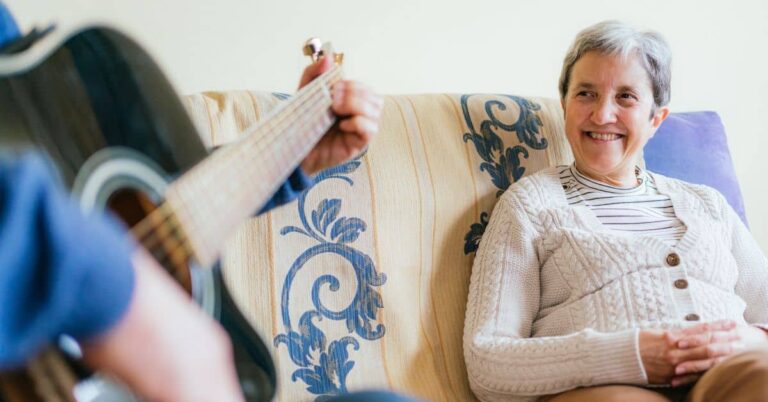



When done right, technology means care teams can focus on preventing problems before they happen, creating a place where Mom feels free at memory care in Oshkosh, WI.
What if she falls and no one sees it happen? What if that unsteady walk you noticed during your last visit means something serious is wrong?
Here’s something that might help ease that worry: memory care communities in Oshkosh like Aspire are using new ways to help Mom. These systems watch over her movements and health around the clock without cameras, catching problems before falls happen while letting her feel like herself.
Check Out Our Memory Care ApproachWhat’s This New Technology Everyone Talks About in Memory Care?
You’ve probably heard other families mention something about “predictive wellness technology” and wondered what that actually means for Mom. The good news is that memory care in Oshkosh, WI, isn’t using intrusive cameras recording Mom’s every move.
How Does it Work Without Cameras Watching Mom Constantly?
Several camera-free options protect Mom without invading her privacy. Think of it like this: wearable devices use tiny sensors that track how she moves, detecting sudden changes in body position and activity. These sensors measure motion in all directions to identify movements that might lead to falls.
The really clever part? Non-wearable systems use radio frequency technology that works even in darkness, steam or through shower curtains—unlike traditional cameras. These sensors quietly monitor when Mom is in her room, getting out of bed or using the bathroom without capturing any recognizable images.

Can it Really Predict a Fall Before it Happens?
Yes, fall detection identifies when a fall has occurred or may be underway. Fall prediction estimates which patients are more likely to fall based on clinical risk factors.
The most advanced systems focus on prevention by recognizing when Mom starts to sit up or move—30 to 60 seconds before she actually gets out of bed or a chair—giving staff time to help. Some platforms even analyze patterns, like if Mom has been getting up more often at night to use the bathroom, which can signal she might be at higher risk for falling the next day.
What Happens When the System Detects Something Wrong?
When Mom needs help, alerts go directly to staff through their phones and two-way communication devices. Some systems even announce Mom’s name and exact location so the closest staff member knows immediately where to go. The technology gets smarter over time, learning Mom’s normal patterns (Al-Habies et al., 2025).
Innovative Memory Care Technology at Aspire Oshkosh
| Technology | How It Works | How It Helps Residents | How It Supports Caregivers & Families |
| Fall Detection Technology | Vayyar Care uses camera-free radio frequency sensing to monitor movement patterns and detect falls or potential fall risks in real time. | Helps prevent injuries while preserving privacy and independence. Residents can move freely without feeling constantly watched. | Sends immediate alerts to caregivers so they can respond quickly and provide timely support. |
| Smart Bathroom Technology | TrueLoo smart bathroom technology tracks wellness indicators that may signal dehydration, infections, digestive issues or medication concerns. | Helps residents stay healthier and more comfortable through earlier intervention and proactive care. | Gives clinical teams valuable health insights that may otherwise go unnoticed between routine check-ins. |
| Wellbeing Technology | Digital wellness tools help staff and families monitor routines, preferences and engagement patterns. | Creates more personalized support, meaningful engagement and individualized care experiences. | Allows caregivers to spend less time managing logistics and more time building personal connections with residents. |
| Camera-Free Monitoring Systems | Radio frequency sensors monitor movement without recording visual images or video footage. | Protects dignity and privacy. | Provides peace of mind to families while helping staff identify risks earlier. |
| Wearable Emergency Response Devices | Lightweight pendants and wearable devices allow residents to request help anywhere on campus. | Encourages confidence and independence, knowing support is always accessible. | Instantly notifies staff of the resident’s exact location and assistance needs. |
Discover Our Memory Care Technology
Protecting Mom while honoring her independence doesn’t require choosing one over the other. Predictive wellness technology at memory care communities in Oshkosh, WI, like Aspire Oshkosh, makes both possible through camera-free monitoring that detects risks before falls occur. Your worry is valid, but you don’t have to carry it alone. Call (920) 891-7077 to discover how these innovations can finally give you the peace of mind you deserve while Mom maintains the autonomy she needs.
Book a Tour NowFAQs
Q1. How does technology help people with dementia without being intrusive?
Technology can support seniors through camera-free monitoring systems that use radio frequency sensors instead of visual recording. These systems track movement patterns, detect bed exits and monitor bathroom visits while maintaining privacy and dignity. Automatic alerts notify caregivers when assistance may be needed, allowing for timely intervention without constant physical surveillance.
Q2. Can monitoring systems predict falls before they happen?
Advanced systems can identify fall risks before they occur by recognizing patterns like sit-up intent 30 to 60 seconds before a bed or chair exit. AI-powered platforms analyze behavioral patterns, such as increased nighttime bathroom visits, which strongly indicate potential falls the next day. This preemptive approach allows staff time to intervene and prevent falls rather than just responding after they happen.
Q3. What happens when the monitoring system detects a problem?
When sensors detect a fall or potential risk, instant alerts are sent directly to staff mobile devices and nurse stations, including the resident’s name, exact location and nature of the alert. Caregivers can respond immediately, knowing precisely where assistance is needed. Some systems include two-way audio so staff can communicate with the resident while en route to help.