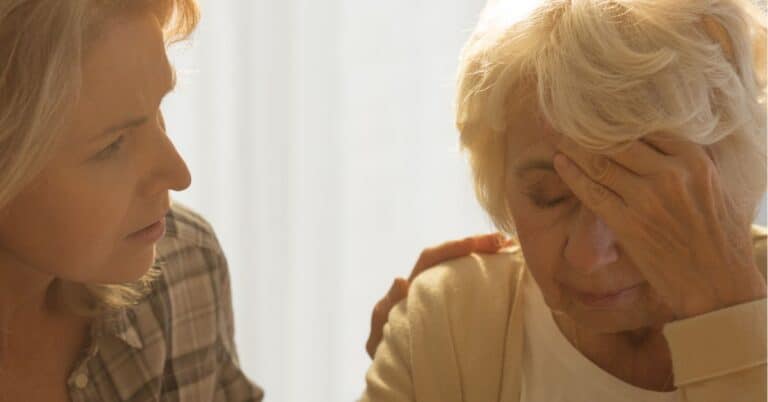



Wondering what to do when a loved one with dementia refuses memory care? Here’s what matters right now: her refusal isn’t about you. Fear, confusion and a part of the disease that affects self-awareness are usually what’s driving it, not anger at you, not stubbornness and not a reflection of how much she loves you.
This is a space for honest answers, gentle guidance and real next steps, no pressure, just help.
Whether you’re trying to make care at home feel safer or you’re starting to wonder if a place like Heritage Menomonee Falls might offer the kind of round-the-clock support she truly needs, you don’t have to figure this out alone.
Why Is My Loved One Refusing Memory Care?
When someone you love keeps saying no, it’s easy to wonder what you’re doing wrong. But her refusal isn’t a puzzle you’ve failed to solve. Most of the time, it comes from a mix of fear, changes happening inside her brain and physical discomfort she may not even be able to name. Understanding what’s behind the resistance makes it easier to respond with patience rather than frustration.
Is She Afraid of Losing Her Home and Independence?
For many seniors with dementia, accepting care doesn’t just feel like a change: it feels like losing themselves. The home she’s lived in for decades, her daily routines, the quiet sense of being in charge of her own life, all of that feels threatened when care enters the picture. Her refusal isn’t stubbornness. It’s self-preservation.
Could Dementia Keep Her From Seeing Why She Needs Help?
Sometimes something else is happening entirely. There’s a condition called anosognosia and it affects more than 80% of people living with Alzheimer’s disease (Cleveland Clinic, n.d.). It’s not denial; denial is a choice the mind makes to protect itself. Anosognosia is different. It comes from actual damage to the parts of the brain that handle self-awareness. What that means, practically, is this: she may genuinely believe nothing is wrong. Not because she’s being difficult, but because her brain truly cannot see what you see.

How Do I Talk About Care Without Starting a Fight?
You now have a better sense of why she’s saying no. But knowing the reason and knowing what to say next are two very different things. Here’s the honest truth: logic alone won’t get you far. When fear is driving her refusal, the words you choose matter less than how she feels when she hears them.
Start With Her Feelings Before You Say Anything Else
Before you mention schedules or anything practical, try naming what she’s feeling first.
Something as simple as “I can see this feels really scary” can do more to soften the moment than any well-prepared explanation. She needs to feel heard before she can feel open. And when the situation feels urgent to you, it’s tempting to skip that part. But rushing past her feelings almost always makes things harder, not easier.
A Few Phrases That Actually Help
When she says no, resist the urge to debate her on the spot. These short, calm phrases can keep the conversation from closing down entirely:
- “You’re right, this is a big change.”
- “I’m here for the same reason you are, to keep you comfortable.”
- “Let’s come back to this tomorrow.”
- “What worries you most about this?”
None of these fixes anything right away. What they do is keep the door open and right now, that matters a lot.
Give Her Two Choices Instead of One Big Decision
Rather than asking an open-ended question about memory care, try offering two simple options. “Would you like to visit on Tuesday or Thursday?” feels manageable in a way that “What do you think about moving?” simply doesn’t. She still gets to choose. That sense of control is real, even if both paths lead toward the same goal. For someone whose world already feels uncertain, small choices can mean everything.
Know When to Step Back and Let Someone Else Try
Sometimes it’s not about what you say. It’s about who says it.
If she keeps shutting the conversation down when it comes from you, consider asking a sibling, a longtime friend or her doctor to bring it up instead. A familiar voice from outside the immediate caregiving relationship can land very differently, especially when the two of you are both exhausted and emotions are running high. That’s not giving up. That’s being smart about how you use your energy.
What Actually Matters
Refusal doesn’t mean the door is closed forever. It means she needs more time, a better approach or a different voice in the room. And you’re still here, looking for that path. That matters more than you may think.
When you’re ready to talk, Heritage Court Menomonee Falls is here for that at (262) 781-6930. No pressure. Just a team that understands what your family is going through and wants to help you discover the right path forward, whatever that looks like. You don’t have to have all the answers today. You just have to take the next small step.
FAQs
Q1. What should I avoid when a senior loved one with dementia refuses care?
Try not arguing, rushing the discussion or consistently insist they recognize the difficulties. Validate their feelings, use simple language and pause if they become upset.
Q2. How can I reduce resistance to dementia care?
Check for pain, illness or confusion that may be causing distress. Speak calmly, offer two clear choices and ask a trusted friend, relative or doctor to help if needed.
Q3. Can someone with dementia refuse to move into a care home?
A dementia diagnosis alone does not remove their right to decide. Their ability to make that decision matters. If they lack capacity, seek legal guidance about who can act in their best interests.