

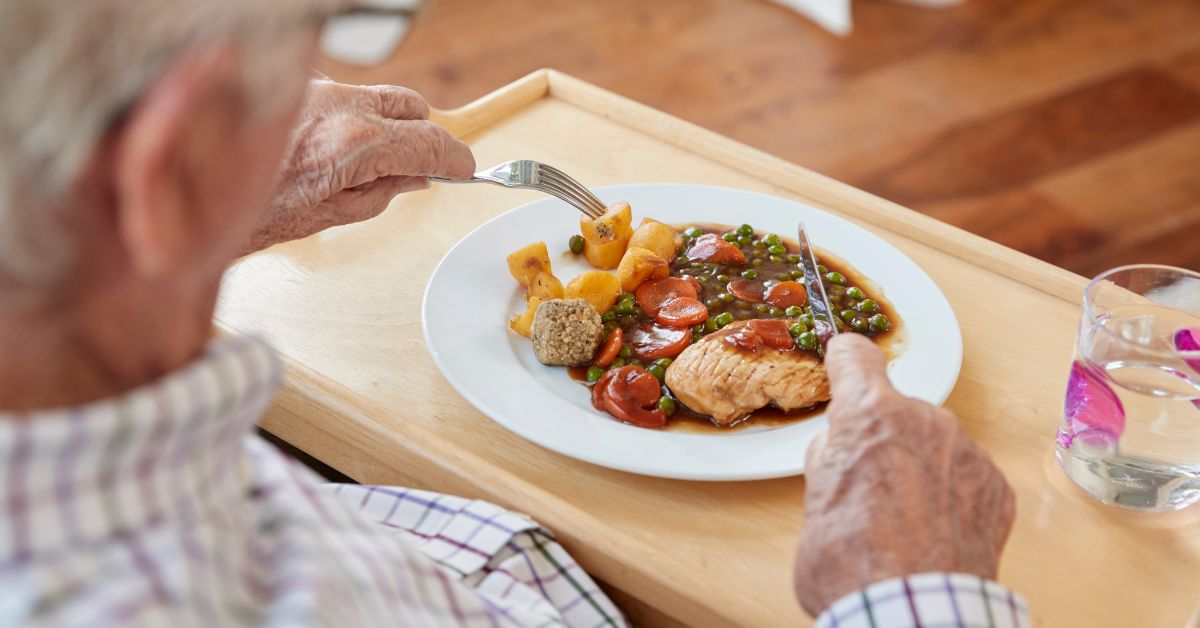
Your loved one’s gut creates serotonin, directly affecting mood and mental clarity each day. This connection becomes especially meaningful when selecting memory care communities in Port Washington, where thoughtful nutrition programs can genuinely improve how residents feel and function.
The foods your loved one eats each day create a direct path to better mood, clearer thinking and more comfortable days in memory care.
The gut-brain connection works as a two-way communication system linking digestion and brain health, playing a vital role in emotional well-being for people experiencing memory changes. Understanding how food choices affect this connection helps you advocate for better care.
How Does Diet Affect Mood And Cognition In Memory Care Residents?
What your loved one eats each day shapes how they feel, think and connect with the world around them. Memory care communities in Port Washington that understand this connection can help residents experience brighter days and clearer moments.
The foods we choose either support or undermine the body’s natural systems that keep hearts and minds healthy. Research shows the same risk factors that lead to cardiovascular disease contribute to Alzheimer’s disease and other dementias (American Heart Association News, 2024).
What foods support a healthy gut microbiome?
Think of fiber as food for the good bacteria living in your loved one’s digestive system. When residents eat whole grains, fruits and vegetables, gut bacteria convert that fiber into compounds that reduce inflammation and support memory. Aim for at least 25 grams of fiber daily, where immune cells do their important work.
Leafy greens contain a special sugar that feeds healthy gut bacteria, while fermented foods like yogurt, kefir, kombucha, sauerkraut, kimchi and miso add beneficial bacteria that can lift mood by restoring balance in the gut.
Which nutrients are most important for brain function?
Omega-3 fatty acids deserve special attention. When seniors don’t get enough, they may experience mood changes and memory difficulties, while adequate amounts support learning, memory and blood flow to the brain. Docosahexaenoic acid (DHA) enhances cognitive function and protects brain tissue. B vitamins, antioxidants and polyphenols work together to fight inflammation and stress that can damage brain cells.
What dietary mistakes harm cognitive health?
Ultra-processed foods high in saturated fats and sugar create inflammation in the brain and may worsen confusion. High-fat diets reduce the diversity of helpful gut bacteria in both humans and animals.
What Connects Your Loved One’s Meals To Their Mood And Memory?
Families visiting memory care communities often ask about activities and general features, but the dining program deserves equal attention.
What happens in your loved one’s digestive system directly affects their brain function, mood and daily comfort. This connection between the gut and the brain works through multiple pathways that link the digestive tract and the nervous system. When this system functions well, your family member experiences better cognitive function, emotional balance and stress management.
How food choices reach the brain
Your loved one’s digestive system contains millions of neurons that work like a second brain, operating independently while staying in constant contact with the main brain. The vagus nerve acts as a communication highway, carrying information about gut conditions to the brain and sending signals back. This pathway allows the bacteria living in the intestines to directly influence brain signals.
The digestive system produces a great percentage of the body’s serotonin and about half of its dopamine. These brain chemicals do double duty, managing both digestion and mood. The helpful bacteria in the gut create chemical messengers that travel through the bloodstream to affect brain processes.
How gut bacteria protect memory
Gut bacteria break down fiber from whole grains, fruits and vegetables into protective compounds that boost memory. These compounds cross into the brain and help maintain the immune cells that keep neurons healthy.
What Makes Adults More At Risk
Getting older brings ongoing low-level inflammation that raises the chance of heart disease, dementia and physical weakness. When beneficial gut bacteria decline, the intestinal barrier weakens, letting harmful substances enter the bloodstream and cause inflammation throughout the body.
The gut-brain connection offers families a powerful, actionable way to support their loved one’s cognitive and emotional well-being. Professional memory care communities that prioritize gut-healthy nutrition can measurably improve residents’ mental clarity, mood stability and overall quality of life.
Contact Heritage – Lincoln Village Senior Living at (262) 268-1300 to learn how specialized dining programs translate cutting-edge microbiome research into daily care practices. With the right nutritional support, your family member can experience better outcomes and enhanced daily comfort.
FAQs
Q1. What foods are most effective at preventing dementia? Some foods support brain health, like fatty fish rich in omega-3s, leafy greens, berries, whole grains and fermented foods like yogurt and kimchi. The Mediterranean diet, which emphasizes these foods along with olive oil and limited red meat, has been shown to reduce dementia risk.
Q2. Which foods should be avoided to protect cognitive health? Ultra-processed foods high in saturated fats and sugar should be limited, as they trigger brain inflammation and harm cognition. Trans fats, fried foods and refined carbohydrates also interfere with cognitive function.