

You’re not betraying your father by considering memory care. You’re applying the same military wisdom he lived by his entire career. Remember: your father spent decades protecting people who couldn’t protect themselves. He understood that calling for backup isn’t a weakness—it’s a strategy. Getting him care at dementia care communities in Menomonee Falls honors everything he stood for while giving you both the peace you deserve.
Remember what your father always said about military missions? You assess the situation honestly. You identify the resources you need. And when the mission requires more than one person can handle alone, you call for reinforcements.
Finding the right dementia care communities in Menomonee Falls is a courageous way to honor your father’s service. By choosing specialized memory care, you ensure he receives the expert reinforcement and veteran-centric dignity he earned, allowing you to stop being a nurse and start being his daughter again.
Learn More About Our Memory Care TechnologyDad Protected This Country for 22 Years and Now I Can’t Even Keep Him Safe at Home. What Kind of Daughter Does That Make Me?
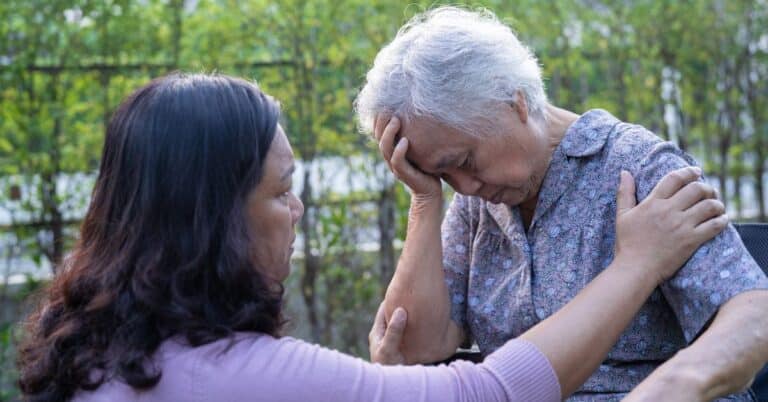
He served 22 years. He sacrificed for strangers. And now you’re looking at moving him somewhere because you can’t handle his care? Here’s what I need you to hear: You’re not failing him. That crushing weight you feel? It’s love meeting an impossible situation.
There’s a difference between giving up and getting help
Giving up looks like pretending everything’s fine when it’s not. Getting help looks like what you’re doing – asking hard questions, researching options and making sure your father receives care that matches his needs. The guilt you’re feeling comes from thinking your role has changed. It hasn’t. You’re just ensuring he has a trained team who can handle what dementia throws at him while you focus on being his daughter again.
How Do You Know When it’s Really Time?
Dad asks the same question three times in ten minutes. He leaves the stove on after making coffee. You find his blood pressure medication still in the bottle when he swears he took it. These moments pile up until you’re researching memory care options at 2 AM, wondering if you’re overreacting or if you’ve already waited too long.
The signs that go deeper than forgetfulness
Forgetting where he put his keys isn’t the real problem. The problem shows up when your father can’t dress himself for the weather, when he stops bathing regularly, when meals sit untouched because he forgets he’s hungry. Simple daily tasks become impossible mountains to climb.
When medications become dangerous
Your father might take his pills twice because he forgot the first dose. Or skip them entirely, insisting he doesn’t need them. When dementia disrupts the ability to track schedules and dosages, every pill becomes a potential emergency.
The Importance of Honoring His Life

When military values meet daily care
Your father’s morning routine during 22 years of service wasn’t arbitrary. The structure, the precision, the way time moved in predictable patterns—these weren’t just military quirks. They became part of who he is. This isn’t about playing dress-up with military themes. It’s about recognizing that the values your father lived by don’t disappear with dementia.
Understanding trauma that civilians can’t see
Environmental triggers common in most long-term care communities can reactivate wartime distress (Sinopoulou et al., 2025). Staff speaking different languages, seeing bedridden patients or hearing commands delivered impatiently may remind veterans of combat experiences. Veterans experience increased fear intensity, war-related nightmares, suspicion and aggression that require different approaches. Trained staff understand when behaviors stem from trauma responses rather than dementia alone.
The bond that only veterans understand
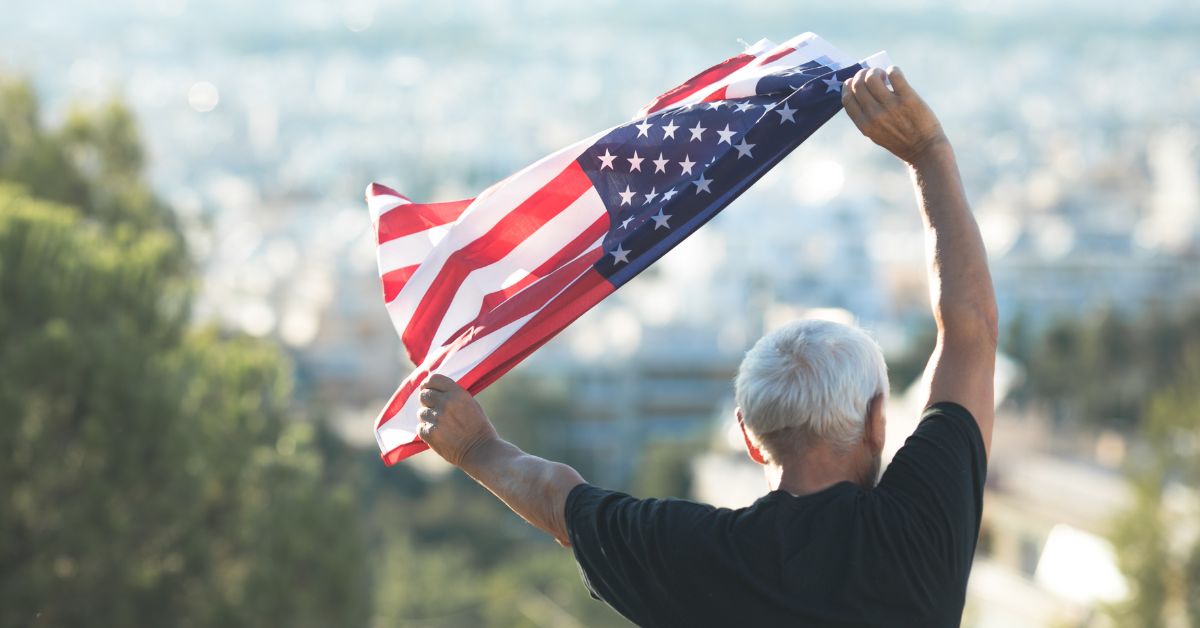
Veteran identity matters more than most people realize. There’s something that happens when veterans share space—an understanding that doesn’t require explanation. Your father might not remember his grandchildren’s names, but he’ll light up talking about his service with another veteran who gets it. That connection creates calm in ways that activities and medications simply can’t match.
Your Next Step Toward Peace
Your father taught you that true strength means knowing when to call for reinforcements. By all means, searching for the right dementia care communities in Menomonee Falls demonstrates the same courage he showed throughout his service. You’re not failing him. You’re ensuring his final years receive the specialized care, dignity and military recognition he earned. That’s not betrayal. That’s honoring everything he stood for. Feel free to call us at (262) 781-6930 to schedule a gentle tour of Heritage Court Menomonee Falls. We’ll have the coffee ready and plenty of time to talk about your dad’s story.
Schedule a Tour NowFAQs
Q1. How can I tell if it’s really time for memory care for my veteran father?
It usually goes beyond everyday forgetfulness. You might start noticing things like missed or doubled medications, more frequent falls, wandering or difficulty with basic tasks like getting dressed or bathing. Changes in personality—like increased anger or withdrawal—can also be a sign. When these situations start putting him at risk at home, it may be time to look into memory care for more consistent support.
Q2. What if my dad refuses to move to memory care?
That’s very common and it often comes from fear or not fully recognizing what’s happening. Try to keep the conversation calm and grounded in real, recent situations—like a fall or a missed medication—rather than focusing on a diagnosis. Bringing in his doctor can also help, since their guidance may feel more reassuring to him. Framing it around keeping him comfortable and cared for can make the conversation feel less overwhelming.
Q3. What should I look for in a memory care community for a veteran?
You’ll want a place that truly understands and respects his background. Look for staff who are trained in things like PTSD and trauma awareness, along with a secure and thoughtfully designed environment. It’s also meaningful when a community creates space for personal touches—like displaying military memorabilia or connecting with other veterans. Programs that honor service and have a team available around the clock can make a big difference in how supported and understood he feels.