
Assisted living in New Berlin, WI, gives families more than daily support. It offers peace of mind when everyday health concerns become harder to manage at home. As seniors age, factors like chronic health conditions, changing medications and seasonal weather can all affect their well-being in ways that aren’t always obvious.
Summer, in particular, brings added risks that many families don’t realize until a loved one experiences dehydration, heat exhaustion or another heat-related emergency.
In this blog, you’ll learn how common medications can increase those risks, the warning signs to watch for, practical ways to help protect your loved one at home and how assisted living communities provide an extra layer of support that helps seniors throughout the hottest months of the year.
"LearnWhy are Older Adults Taking Medications More at Risk During Hot Weather?
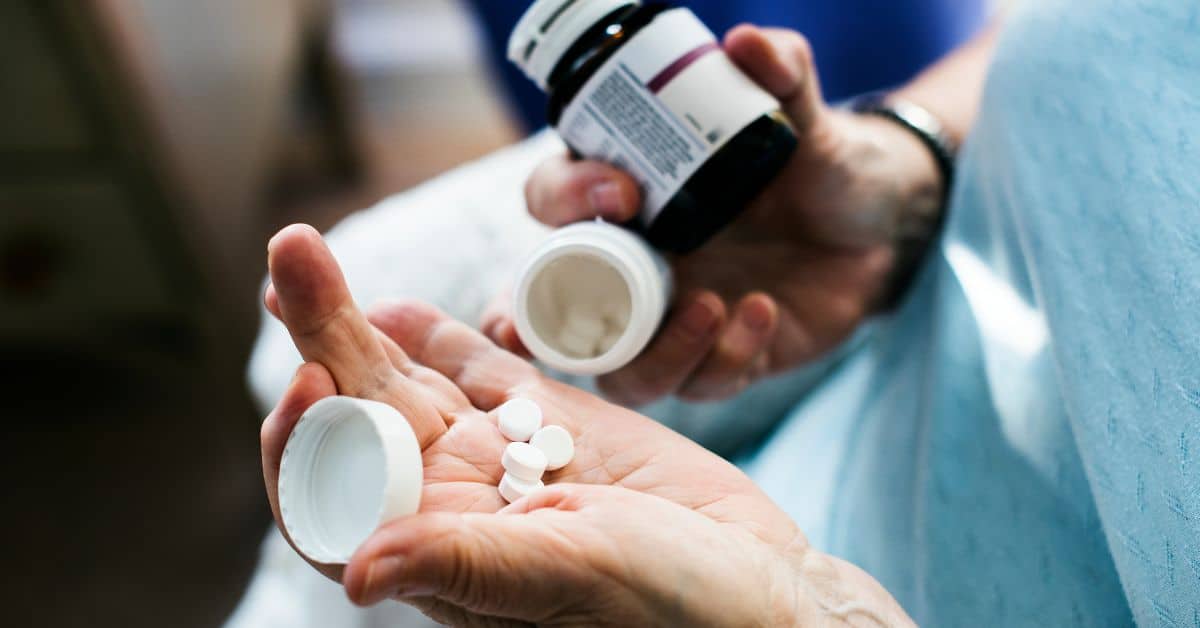
Medications like diuretics, beta blockers and anticholinergic drugs interfere with the body’s natural cooling mechanisms. These medications can reduce sweating, suppress thirst signals, prevent blood vessels from releasing heat properly and cause fluid loss all of which make it harder for seniors to regulate their body temperature during summer heat.
What Happens To Her Body When Temperatures Rise?
As we age, the body simply doesn’t cool itself the way it used to. Sweat glands slow down. Blood vessels don’t open up as well to release heat through the skin. And the thirst signal? That weakens too, which means your mom may not feel thirsty even when her body really needs water.
Add in chronic conditions like heart disease, diabetes or kidney problems and her natural cooling system gets even more strained. Her body holds onto heat longer and struggles to recover, something a younger, healthier body wouldn’t have to fight as hard against.
Which Common Medications Make Heat Harder To Handle?
This is where it gets important to pay attention. Research tracking older Medicare beneficiaries (Layton et al., 2020) found that 70.5% were taking anticholinergic medications and 58.9% used beta blockers. During heatwaves, those medications were linked to a 21% to 33% increase in heat-related hospitalizations. And the risk wasn’t only during extreme heat — several medication classes showed elevated hospitalization rates even during regular summer weather.
Some of the most common ones to know about:
- Diuretics (water pills like furosemide) — cause fluid loss and lower blood volume
- Anticholinergic drugs (certain antihistamines and bladder medications) actually block the body’s ability to sweat
- Antipsychotic medications — interfere with how the brain regulates temperature
- Beta blockers — limit the heart’s ability to work harder when the body needs to cool down
These aren’t rare medications. Chances are, your mom is taking one or more of them.
How Does Assisted Living Help Mom When Summer Gets Dangerous?
Constant vigilance wears you down fast. Assisted living in New Berlin, WI takes that weight off your shoulders with protections that run quietly in the background, every single day.
How is Temperature Handled?
Federal guidelines require senior living communities to maintain indoor temperatures between 71°F and 81°F. That means your mom isn’t sitting in a sweltering room hoping a window fan is enough. Mechanical cooling systems are required to keep spaces at or below 75°F even when outside temperatures soar. Backup systems are in place if anything fails.
What About Hydration?
At home, it’s easy for your mom to go hours without drinking anything, especially when her medications are already dampening her thirst signals.
Assisted living staff track fluid intake daily, working toward recommended minimums of 1,500–2,000mL. On hot days, residents receive water roughly every hour. That’s not a suggestion, it’s part of her care routine. Trained staff also watch for the early signs of dehydration and heat exhaustion, catching problems before they become emergencies.
How are Medications Managed Around the Heat?
Your mom’s nursing team doesn’t just hand out pills on a schedule. They keep a current medication list, monitor her for side effects and coordinate with her doctor if summer heat calls for any adjustments. Temperature-sensitive medications like insulin are stored correctly, with no guesswork, no risk of a drug losing its effectiveness in a hot cabinet.

You Don’t Have To Do This Alone
You’ve been carrying a lot this summer. Watching the forecast. Reminding her to drink water. Counting her medications. Wondering if today is the day something goes wrong. You deserve peace of mind. And so does she. Reach out to Heritage Deer Creek at (262) 789-6600 to schedule a tour and talk through what summer care looks like for your mom. No pressure, just a conversation.
"BookFAQs
Q1. What are the early warning signs of heat-related illness in seniors?
Early signs include excessive sweating combined with unusual weakness, dizziness, headache, muscle cramps, nausea and pale or clammy skin. Dark-colored urine and reduced urination frequency indicate dehydration. Confusion or irritability can also signal heat exhaustion. If sweating stops and skin becomes hot and dry, this indicates heat stroke, a medical emergency requiring immediate 911 intervention.
Q2. How long does it typically take for seniors to adjust to assisted living?
While adjustment periods vary by individual, most seniors begin adapting to assisted living within the first few weeks to months. Professional staff support, structured routines, social activities and consistent care help ease the transition. Communities with specialized programs and attentive nursing staff can facilitate smoother adjustments for new residents.
Q3. Is it normal to feel guilty about choosing assisted living for a parent?
Yes, guilt is a common emotion when making this decision. However, choosing professional care often means providing better medical monitoring and quality of life than you can offer alone at home, especially during challenging situations like managing heat-sensitive medications in summer. Assisted living communities offer systematic protections and trained staff that benefit your parent’s health and wellbeing.