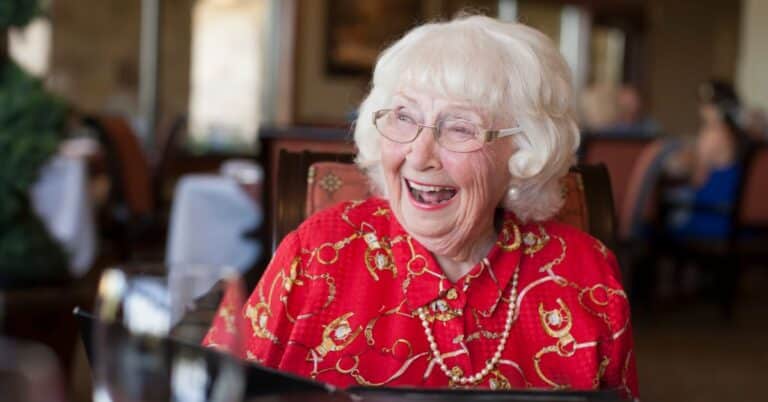



You’ve been standing in the flower shop again, haven’t you? Staring at those beautiful arrangements, knowing they’ll be gone in a week. Your heart wants to do something special for her, but deep down you’re wondering if there’s something more meaningful than another bouquet she can’t really enjoy. Recording her memories solves that nagging feeling about finding gifts for parents who already have what they need at assisted living facilities in Greenfield, WI.
More importantly, it ensures every person caring for her knows the remarkable woman behind the resident number. Those flowers wilt, but her voice telling the story of how she snuck out to go dancing? That lives forever.
You’ve probably walked past her room at Heritage Lexington, watching staff members who don’t know she once ran the PTA or learned to drive at 45. What if this Mother’s Day, instead of bringing something that needs water, you could give her caregivers the gift of seeing who she really is?
Learn More About Our Assisted LivingHow Do I Make Sure the Staff at Assisted Living Facilities Know Who My Mom Really Was? I Want to Record Her Stories So They See the Woman, Not Just the Patient.
Without your help, these incredible pieces of who she is might never surface. You’re not asking for too much. You just want her caregivers to see the remarkable woman who raised four kids, ran the church fundraiser for fifteen years and could make anyone laugh with her terrible jokes about getting older.
Help her caregivers discover who she really was
Write a simple one-page story about your mom for her care team. Skip the formal biography format. Instead, share the details that matter: “Mom taught herself to use a computer at sixty-five because she wanted to email her grandchildren. She still remembers every student’s name from her teaching years. Ask her about the time she accidentally dyed her hair purple.”
Put these pages at the nursing station where staff can actually find them. Hand a copy directly to new caregivers when they start. This isn’t about impressing anyone—it’s about giving busy, caring people the tools to connect with your mom as a person.
Turn her room into her story
Photos tell stories faster than any biography ever could. Create a simple timeline on her wall—childhood pictures leading to wedding photos, then pictures with your kids and finally recent family gatherings. Add short captions that spark conversations: “First teaching job, 1963” or “Garden club president for eight years.”
Display things that matter to her. Her teaching award, a favorite cookbook, letters from former students or her volunteer certificate from the animal shelter. When staff members ask about these items, your mom gets to share pieces of herself that go far beyond her current health needs.
Let them hear her voice and personality
Record your mom telling a favorite story on your phone. Keep it short—maybe two or three minutes about how she met your dad or her funniest teaching moment. Ask the staff to play these during quiet times in her room. Suddenly, they’re not just helping a patient; they’re caring for someone whose voice they know and whose humor they’ve experienced.
Encourage caregivers to ask about the photos and objects you’ve displayed. When they show genuine interest in her stories, something beautiful happens. Your mom stops being just another person who needs help and becomes someone with a rich, interesting past who deserves to be known (Queen’s University Gazette, 2018).

Creating a Living History Archive for Your Mother
You don’t need fancy equipment or professional help to start preserving your mom’s stories. Her memories are there right now, waiting for someone who cares enough to ask the proper questions.
Recording her childhood memories and early life
Start with her earliest memory. Where did she grow up? What did her childhood home smell like? Who was her best friend in elementary school? These details paint pictures that dates and facts never could. Keep sessions short and natural. Fifteen minutes feels manageable for both of you and you’ll be surprised how much story fits into that time.
Capturing her dreams and life accomplishments
Move beyond what happened to what she hoped for. What did she dream of becoming as a teenager? Which accomplishments still make her smile? What would she do differently if she could? These questions reveal the woman she was inside, not just the life she lived.
Preserving family stories for future generations
Ask about relatives you have never met. How did your grandparents fall in love? What was your great-grandmother really like? These stories connect your family’s past to its future and help explain traits that run through generations.
Simple ways to start the conversation
Bring old photos and ask her to tell you who’s in them. Use holidays as prompts: “Tell me about your favorite Christmas when you were little.” Start with compliments: “You always made the best chocolate chip cookies. Where did you learn that recipe?”
A More Meaningful Gift
This Mother’s Day, you have the opportunity to give your mom something far more meaningful than flowers or chocolates. Recording her life story ensures caregivers at Heritage Lexington see the remarkable woman she truly is, not just another resident. Start with one conversation, one photograph or one recorded memory. These simple acts create lasting tributes that honor her legacy long after the holiday ends. Your mom’s stories deserve to be heard and remembered.
If you’ve been thinking about what the next chapter could look like for your mom, this is a beautiful time to take that first step. We’d love to welcome you in, show you around and talk through how we can honor her story while providing the care and connection she deserves. Give Heritage Lexington a call at (414) 425-9551 to schedule a tour — we’re here to help you feel confident, comfortable and supported.
Book a Tour NowFAQs
Q1. What’s a more meaningful Mother’s Day gift than flowers for someone in assisted living?
If you’re looking for something that really lasts, consider capturing your mom’s life stories. You can record her memories through audio, video or even create a photo album with captions. Some families also turn these into written keepsakes. It’s a beautiful way to preserve her legacy while also helping caregivers understand who she is beyond her day-to-day care.
Q2. How can I help the staff see my mom as a person, not just a patient?
One simple but powerful idea is to create a short, one-page biography about her—highlighting her personality, accomplishments, hobbies and favorite things to talk about. Sharing this with the care team (and updating it over time) gives them a better sense of who she is. You can also bring in photos or meaningful items for her room and even record short audio clips of her.
Q3. What should I include when recording my mom’s life story?
Start at the beginning—her childhood, early memories and what daily life looked like growing up. From there, you can talk about her dreams, career, proudest moments and family stories—like how she met your dad or favorite holiday traditions. Old photos can really help spark conversation.