

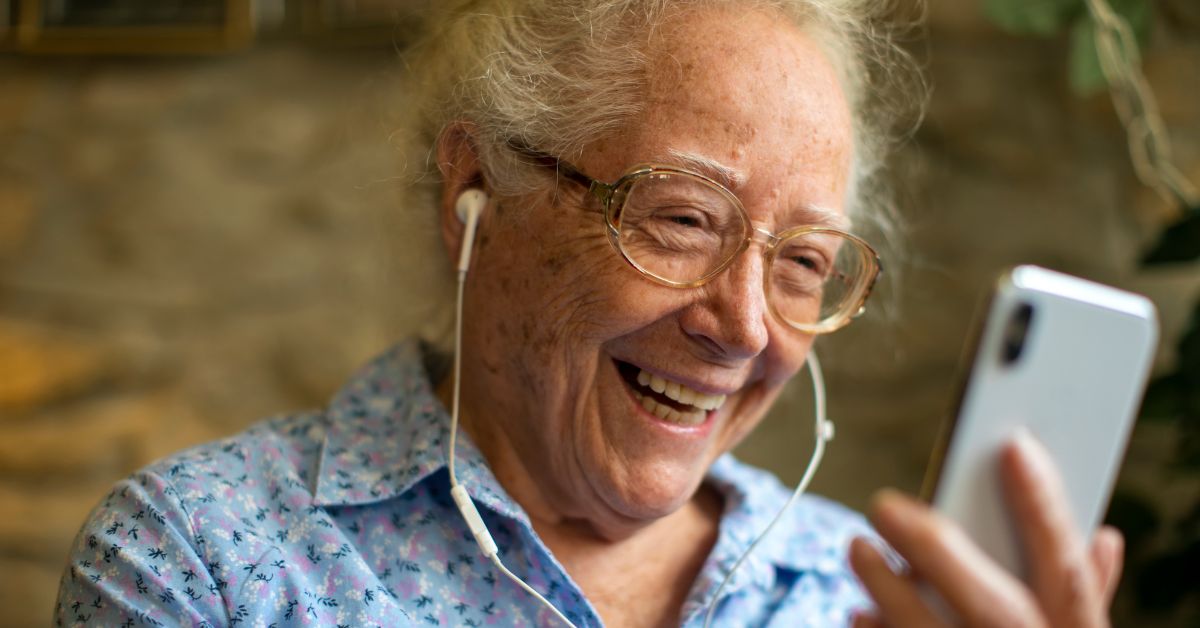
Multi-sensory programs change how we approach Alzheimer’s care in Monona, WI. Instead of relying on passive activities, these approaches engage the whole brain through coordinated therapeutic activities.
Memory care communities using active, multi-sensory therapeutic programs achieve significantly better outcomes for residents with cognitive decline. This approach represents the new standard for quality dementia care.
Experience innovative memory care with SingFit PRIME’s multi-sensory approach. This whole-brain therapy combines active singing, guided movement and trivia to stimulate cognitive function and reduce stress. Moving beyond passive listening, Heritage Monona provides evidence-based engagement that restores joy and connection for residents with memory loss.
What is SingFit PRIME and How Does it Help With Alzheimer’s Care?
SingFit PRIME works as a full-body singing program that empowers long-term care staff to create meaningful group experiences for residents. This platform addresses Alzheimer’s disease, Lewy Body Dementia, Vascular Dementia and Frontotemporal Dementia through a thoughtful approach that weaves together multiple therapeutic elements.
Learn About Our Therapy ServicesHow singing sessions support cognitive health
The heart of this system lies in the SingFit mobile app, which houses hundreds of playlists carefully matched to participants’ ages and musical memories. Whether your loved one connects with Elvis Presley, Etta James or Frank Sinatra, each song features a patented Lyric Coach track that gently provides words just before they need to be sung, allowing even residents with advanced dementia to join in without struggling to read or remember lyrics.
Active singing awakens every region of the brain, which passive listening simply cannot match. The Lyric Coach technology offers words at exactly the right moment, creating experiences where residents feel successful rather than frustrated. This musical support triggers lyrics in residents’ minds before they need to vocalize them, making even unfamiliar songs feel accessible and enjoyable.
Movement activities that preserve motor function
Each quarterly booklet provides choreographed movements crafted by certified music therapists. These thoughtful sequences blend upper body movements with musical rhythms, helping address motor decline while residents sing along. Sessions offer dual-tasking opportunities where participants move and sing together, which initially presented challenges but demonstrated remarkable improvement over time in pilot studies.
Memory-Stimulating trivia that sparks connection
The program weaves trivia questions about song themes, artists and historical moments into each session. These questions awaken episodic memories and invite verbal participation beyond singing. Staff use these moments to encourage conversation and reminiscence, helping residents link their personal experiences to the musical content they’re enjoying.
Sensory tools that enhance engagement
The SingFit PRIME toolkit includes physical elements like shakers, scarves, high-quality speakers and other items that deepen music engagement. These props offer tactile stimulation that works alongside auditory and cognitive activities. Staff can adapt prop usage based on how residents respond, since some groups benefit more from visual cues while others connect better with rhythmic instruments.

The Science Behind Whole-Brain Engagement in Alzheimer’s Care
Research exposes a critical gap between what families often expect from music therapy and what actually creates meaningful change for loved ones with Alzheimer’s. A network meta-analysis of 14 randomized controlled trials involving 1,056 participants found something remarkable: while simply playing music showed modest benefits (standardized mean difference of 0.35), active music therapy produced significantly greater cognitive improvements (Ting et al., 2024).
Why simply playing music isn’t enough
When your loved one sits quietly listening to their favorite songs, only limited brain regions activate. Passive listening fails to engage the motor cortex, frontal executive systems and attention networks at the same time. The explanation lies in how our brains actually work. Playing background music misses crucial opportunities for sensory-motor stimulation, emotional expression and the cognitive challenges that spark neuroplasticity.
Why active participation changes everything
Active engagement creates experiences where residents can’t fail, simultaneously activating episodic memory, auditory processing pathways and social connections. Interactive music interventions reduced behavioral symptoms. Even more encouraging, participants who actively engaged showed parasympathetic nervous system dominance, meaning their stress levels actually decreased during physical activity.
Music Therapy at Heritage Monona
Active participation through programs like SingFit PRIME undeniably delivers superior outcomes compared to traditional passive activities for memory care in Monona, WI. When your loved one engages multiple brain regions simultaneously through singing, movement and sensory stimulation, you’re providing evidence-based therapy that improves mood, reduces medication needs and maintains cognitive function. Call (608) 441-9990 today to schedule a personalized tour of Heritage Monona.
Schedule a visitFAQs
Q1. How is SingFit PRIME different from just playing music for someone with Alzheimer’s?
SingFit PRIME goes beyond simply playing background music. It’s designed as an active singing program that encourages participants to sing, move and engage with the music in different ways. Sessions often include simple choreography, trivia questions and interactive props, which help stimulate multiple areas of the brain at the same time. Because participants are actively involved rather than passively listening, the activity can provide stronger cognitive stimulation and emotional engagement.
Q2. How does doing two activities at once help seniors with dementia?
Activities that combine mental engagement with physical movement—often called dual-tasking—can be especially helpful for seniors with dementia. For example, singing while moving to the rhythm encourages the brain to coordinate thinking and motor skills at the same time. This type of engagement stimulates multiple brain regions and may help support balance, attention and overall cognitive function. Exercise and mental stimulation can produce benefits that neither activity alone might achieve.
Q3. Why are multi-sensory activities helpful for people with Alzheimer’s?
Multi-sensory activities work well for people with Alzheimer’s because they stimulate several parts of the brain simultaneously. When an activity includes sound, movement and touch—like singing while clapping or using props—it creates a richer experience that can improve engagement and mood. Active music-based activities tend to produce better cognitive and behavioral outcomes than passive listening alone, partly because they encourage the brain to stay active and responsive.