
The weight you’re carrying feels overwhelming, doesn’t it? You’re watching your dad—your hero—struggle with memory changes and you’re wondering if memory care in Eau Claire, WI, is the right choice. Here’s what matters most as you work through this decision:
You’re not abandoning him by considering memory care. You’re becoming his advocate and protector in a new way. This decision honors his service by ensuring he gets the specialized support he deserves.
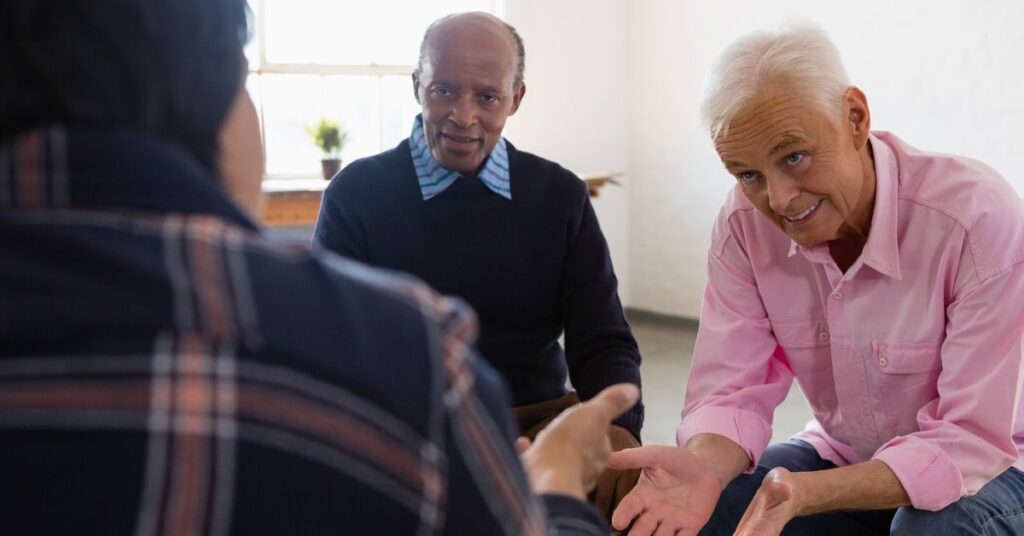
The brotherhood your dad misses from his military service can find new life in veteran-focused memory care communities that see him as the hero he’s always been, not just another patient with dementia.
Do You Want to Learn More About Our Memory Care?Can the Social Environment in Memory Care Help With His Depression? I Think He Misses the ‘Brotherhood’ of Being Around Other Men Who Served
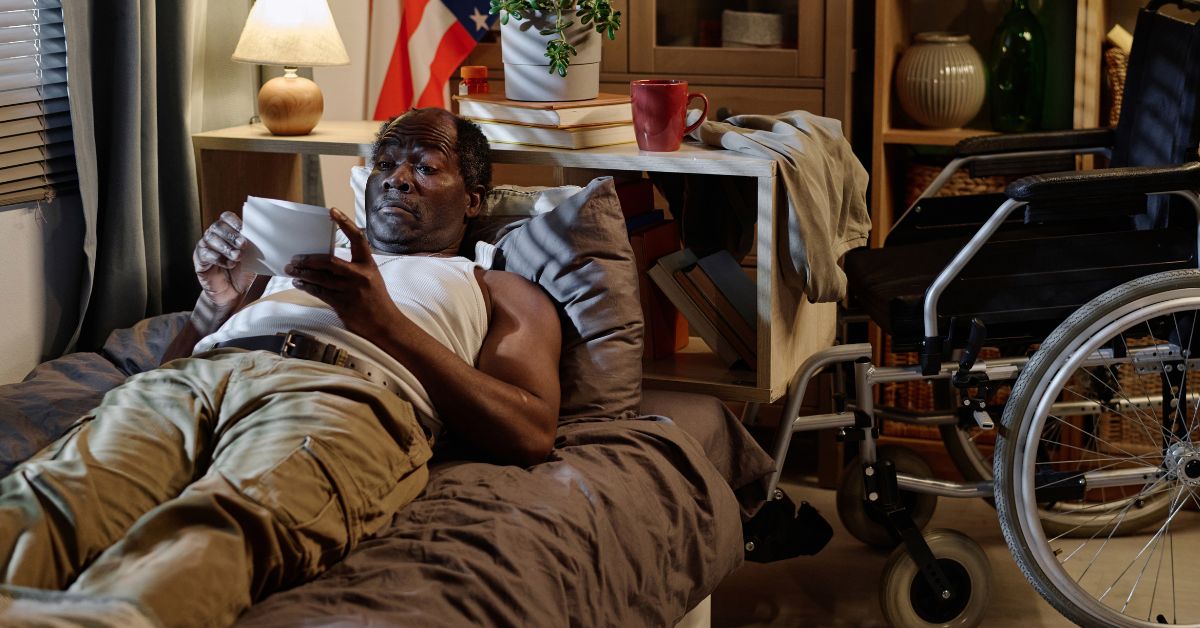
You’re sensing something important about your dad’s depression and that lost sense of brotherhood. Trust that instinct – it’s absolutely right. Veterans don’t just carry memories of their service; they carry something deeper that affects how they experience memory loss and what kind of care actually helps them.
When PTSD and memory loss collide
Here’s where things get more complicated and why your dad needs specialized care. Did you know veterans with PTSD face twice the risk of developing dementia (Yaffe et al., 2010) compared to those without PTSD? The combination creates challenges that standard dementia care simply can’t handle. PTSD symptoms often get worse when dementia begins. Your dad might experience more war-related nightmares, become more suspicious of people or relive military trauma in ways that feel completely real to him. The night terrors you’re worried about? Research confirms that veterans with both conditions experience more intense fear, nightmares and aggression than those with dementia alone.
Sometimes, veterans who managed PTSD for decades find their coping strategies stop working as memory loss progresses. Other veterans who never showed PTSD symptoms earlier suddenly experience them after dementia begins. The parts of the brain that help control difficult memories get affected, making it harder to keep traumatic experiences from surfacing.
Signs that your dad needs care
You’ll know standard approaches aren’t working if your dad shows intense, lasting fear during personal care like bathing or getting dressed. Veterans with both conditions often see these intimate care moments as threats, leading them to refuse help or react with aggression. This fear isn’t occasional – it colors most interactions.
Another warning sign: his symptoms change constantly without clear reasons. While dementia alone creates some ups and downs, adding PTSD creates unpredictable shifts that leave everyone confused and frustrated. The care approach that worked yesterday completely fails today. Your dad deserves memory care in Eau Claire with staff who understand that his military service isn’t just a detail from his past. It’s central to who he is and what he needs to feel understood.
Finding the Proper Memory Care Community For Your Veteran Dad
You’ve made the hardest decision. Now comes the practical part: finding a place that truly understands who your dad is and what he needs.
What to watch for during your visits
Go twice – once when they expect you, once when they don’t. Real care happens when no one’s putting on a show. Watch how staff respond when residents get upset or confused. Do they rush over with patience or do they look annoyed? Notice whether residents seem comfortable and engaged, not just clean and quiet.
How they handle the tough moments
Your dad might experience night terrors, sudden fear or episodes where he thinks he’s back in combat. Ask exactly how staff respond to these situations. The wrong approach tries to redirect or distract him, which often makes things worse. The right approach acknowledges his experience and helps him feel okay without arguing or correcting him.
Trusting what you see
Your instincts matter more than their marketing materials. Does this feel like a place where your dad could be himself? Do the residents look content or do they look medicated into compliance? Take time with this decision, but don’t second-guess yourself forever. You know your dad better than anyone else does.
Life at Heritage Court Eau Claire
Your decision to seek specialized memory care for your dad honors the hero he’s always been. Without doubt, this choice comes from love, not failure. You’re not abandoning him; you’re transitioning into his advocate and protector in a different way. Trust your instincts, ask the right questions during tours and give yourself permission to prioritize both his well-being. Ready for an honest and caring conversation? Contact us at (715) 831-8200 to schedule a tour of Heritage Court Eau Claire.
Schedule a Tour NowFAQs
Q1. How does my dad’s military background affect the kind of dementia care he needs?
Military service can shape how dementia shows up and what kind of support feels most meaningful. Many veterans carry strong bonds and routines from their service and they may feel a sense of loss in settings that don’t reflect that. If PTSD is part of the picture, symptoms like nightmares or agitation can become more noticeable. That’s why memory care communities that understand military culture—and create opportunities for connection and familiarity—can make a real difference in how supported your dad feels.
Q2. Is it normal to feel guilty about moving a parent into memory care?
Yes, it’s incredibly common. A lot of adult children feel this way and it usually comes from a place of deep love and responsibility. Choosing memory care doesn’t mean you’re stepping away—it means you’re making sure your parent has the level of support you can’t provide on your own. Over time, many families find that this shift allows them to focus more on being present and connected, rather than overwhelmed.
Q3. How long does it usually take someone to adjust to memory care?
Adjustment takes time—usually a few weeks rather than just a few days—and it’s normal for there to be ups and downs along the way. Veterans often do better when they have structure, opportunities to connect with others and familiar items from home like photos or meaningful keepsakes. That sense of routine and familiarity can help ease the transition and make the environment feel more comfortable over time.