

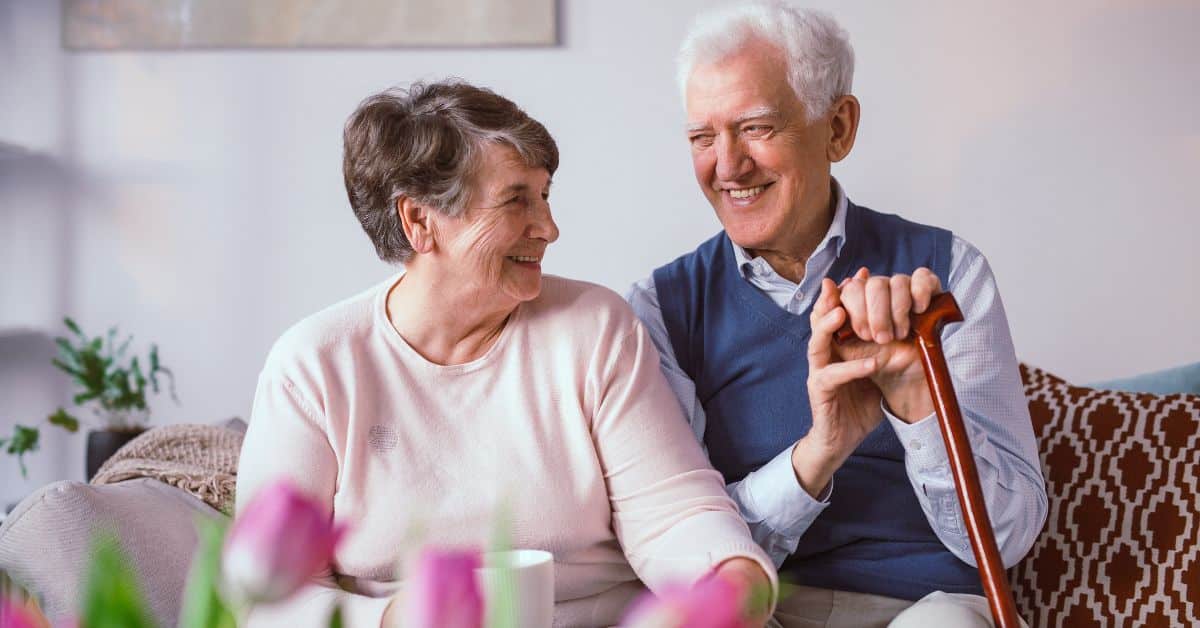
When searching “can couples live together in assisted living?” the hardest part isn’t finding the right community. It’s the fear that getting them the care they need might mean tearing them apart. After 50+ years together, the thought of separate rooms, separate buildings feels like a kind of loss you’re not ready to face.
You are not the first family to ask this question and you are not alone in wanting to protect what your parents have built together.
Communities like Heritage Oakwood Hills are built with exactly this in mind, keeping couples close while making sure each person gets the specific support they need. Whether you’ve just started asking questions or you’re deep into this decision, this guide is here to walk you through it. No pressure. Just honest answers.
Check Out Our Assisted Living Approach
Can Mom and Dad Actually Stay Together in Assisted Living?
The short answer? Yes. Most assisted living communities offer shared apartments made specifically with couples in mind, one-bedroom units with a separate sitting area or full two-bedroom suites where each person has their own space but still wakes up under the same roof. Private bathrooms, a kitchenette, room for their favorite chair and familiar furniture, these spaces are designed to feel like home, not a hospital room.
What If They’re Not Legally Married Does That Matter?
This is a question worth asking directly when you tour any community. Some states don’t have strong legal protections for unmarried couples regarding visitation or cohabitation rights. Policies vary widely, so it’s worth asking each community specifically what their approach is.
A few practical steps that help:
- Have the partner moving in formally identify their companion as an essential caregiver
- Bring copies of any legal documents healthcare proxies, powers of attorney, financial documents
These papers establish the relationship in writing and protect both people’s rights within the community. It’s not romantic, but it’s important.
How Many Couples Are Already Doing This?
More than you’d think. Some couples share a single apartment. Others live in units nearby on the same campus, staying close while each gets the level of care that fits them best.
Communities that work well with couples understand something simple: when two people who’ve spent their lives together stay connected, both of them do better. The emotional relief of not being separated is real and it shows up in health outcomes, mood and quality of life for both partners (Hu & Coulter, 2025). Keeping them together isn’t just possible. For most couples, it’s the right call.
What Happens If Mom Needs More Help Than Dad Does?
This is the question that quietly worries most families. What if their needs pull in different directions? What if Mom needs more support than Dad does? Does that mean they have to live apart? It doesn’t. Here’s how it actually works.

Can They Share The Same Apartment With Different Care Plans?
Yes and this is more common than you might think.
Each person receives a care plan based on their needs. Mom might need help with bathing and medications every morning. Dad might need very little assistance at all. The care team works around both of them, coming in to support Mom while Dad reads the paper or gets ready for breakfast. They share the same apartment. They eat their meals together. Life continues.
And if Mom’s needs grow over time, the staff simply adjusts her care plan. Dad’s routine stays the same. There’s no forced move, no disruption, just a quiet shift in the support she receives.
Is There A Way To Keep Them Close Even If They Can’t Share A Room?
Absolutely. Couples find their rhythm. Dad might start each morning walking to Mom’s wing for coffee. They might share lunch in the dining room every day or sit in the garden together each afternoon. These small, consistent moments become the thread that holds everything together. Staff coordinates schedules to support those routines, not disrupt them.
The Care They Deserve
What changes when your parents move to a place like Heritage Oakwood Hills isn’t their bond. What changes is the weight they’ve been carrying. Dad stops being Mom’s nurse. Mom stops worrying about Dad wearing himself out. They get to go back to just being husband and wife, sharing meals, sitting together in the garden, holding hands, without one of them quietly tracking medications in the back of their mind.
When you’re ready to talk it through, no pressure, no sales pitch, call Heritage Oakwood Hills at (715) 831-9118. Someone who genuinely understands what your family is facing will pick up the phone.
FAQs
Q1. Can married couples share the same apartment in assisted living?
Yes, most assisted living communities offer shared apartments specifically designed for couples, ranging from one-bedroom units to two-bedroom suites. Each person receives an individualized care plan based on their specific needs, so one partner can receive more assistance while the other remains largely independent, all while living together in the same space.
Q2. Will the healthier spouse become a caregiver again in assisted living?
No, professional staff handle all caregiving tasks, including medication management, bathing assistance and medical emergencies. This allows the healthier partner to return to being a spouse rather than a caregiver, focusing on companionship instead of managing their partner’s daily medical needs.
Q3. What should I look for when touring assisted living communities for my parents?
Ask about staff-to-resident ratios, staff turnover rates and whether care plans can adapt as needs change. Check apartments for features like walk-in showers and grab bars. Request to speak with other couples currently living there and visit multiple times at different hours to observe daily routines and staff interactions.