
A supportive social environment can revolutionize your loved one’s life in assisted living. The search for the best assisted living in Wisconsin should consider the “third place” concept—social spaces beyond home and work. These gathering spots play a vital role in your parents’ mental well-being.
Social spaces like bistros in assisted living communities are crucial for combating senior isolation and supporting mental health, with research showing that meaningful social interactions significantly improve life satisfaction and reduce risks of depression, dementia and premature death.
This piece examines how social spaces affect elderly well-being. You’ll learn what makes a community environment work and why communities that prioritize these elements create better outcomes for seniors who need both care and connection.
Why Social Spaces Like Bistros Matter for Senior Mental Health in the Best Assisted Living?
Social environments significantly impact seniors’ mental health and well-being. According to research, 10-43% of community-dwelling seniors in the United States experience social isolation and loneliness. Studies show that poor social connectedness correlates with depression, anxiety, hopelessness, and limited use of mental health services, making dedicated social spaces crucial for quality senior living communities.(National Library of Medicine, 2020).
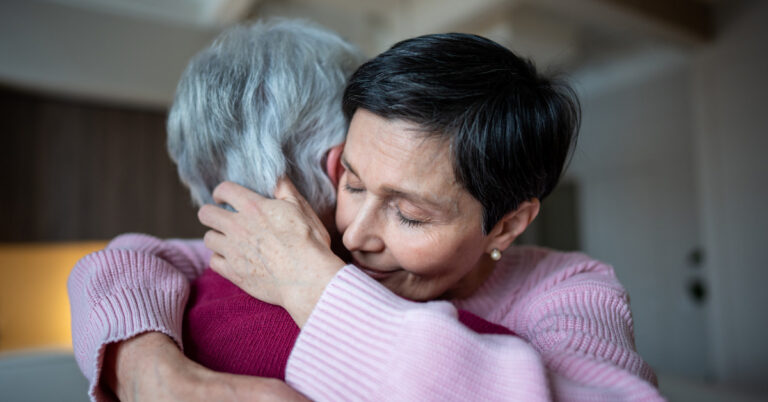
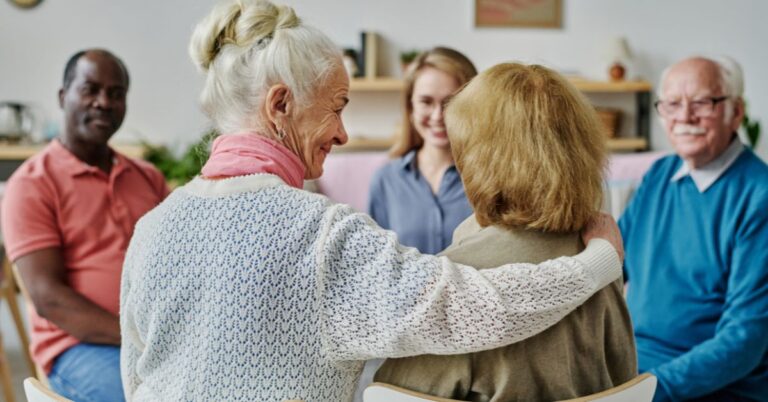
The link between social interaction and emotional well-being
Meaningful social engagement directly improves seniors’ mental health and quality of life:
- Stronger social connections lower risks of premature death, dementia and cardiovascular disease
- Socially active seniors report fewer instances of depression and anxiety
- Well-designed gathering spaces provide essential opportunities for beneficial interaction
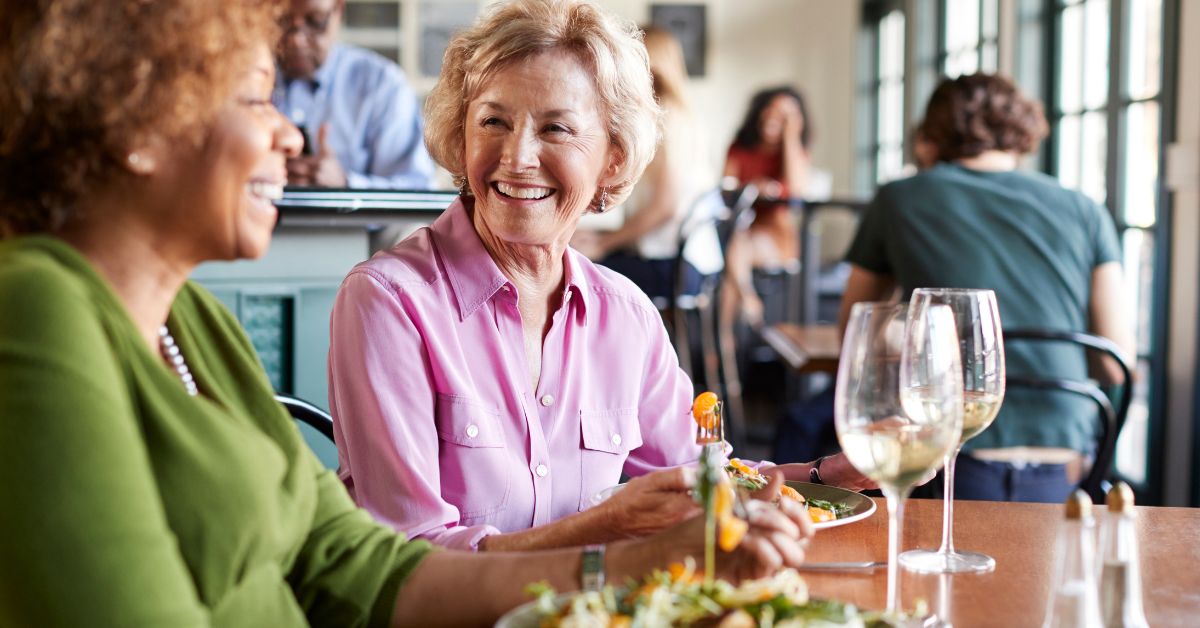
How communal dining reduces isolation
Shared dining experiences naturally combat loneliness through:
- Increased food intake—seniors eat more when dining with companions
- Enhanced cognitive function through mealtime conversations and social interaction
- Development of “social facilitation” that builds lasting supportive relationships
The role of routine and familiarity in mental health
Structured social activities provide important benefits:
- Regular routines create stability that supports emotional well-being
- Consistent schedules help residents maintain confidence throughout their day
- Organized gathering times prevent isolation and maintain a sense of purpose
Better Alternatives To Typical Assisted Living For Seniors Who Need Social Interaction
Seniors today want more than basic care – they’re searching for real connections. While traditional assisted living often misses the mark, new alternatives are changing how seniors can build social relationships. These fresh approaches deserve a closer look.
What traditional models often miss
Many assisted living communities emphasize physical care but overlook the social aspects of aging. These settings run on strict schedules with few personal choices. The institutional atmosphere makes residents feel disconnected from their previous lives.
Standard communities offer activities but struggle to foster the deeper relationships seniors need. Research reveals that residents in traditional settings face under-stimulation, which limits their ability to have meaningful conversations.
How modern communities are rethinking community spaces
New alternatives have changed their focus from buildings to people and communities. These innovative communities create spaces that bring people together naturally through thoughtfully designed communal areas. These spaces do more than entertain – they help residents stay active and involved while making visits fun for everyone.
The Heart of Community Living
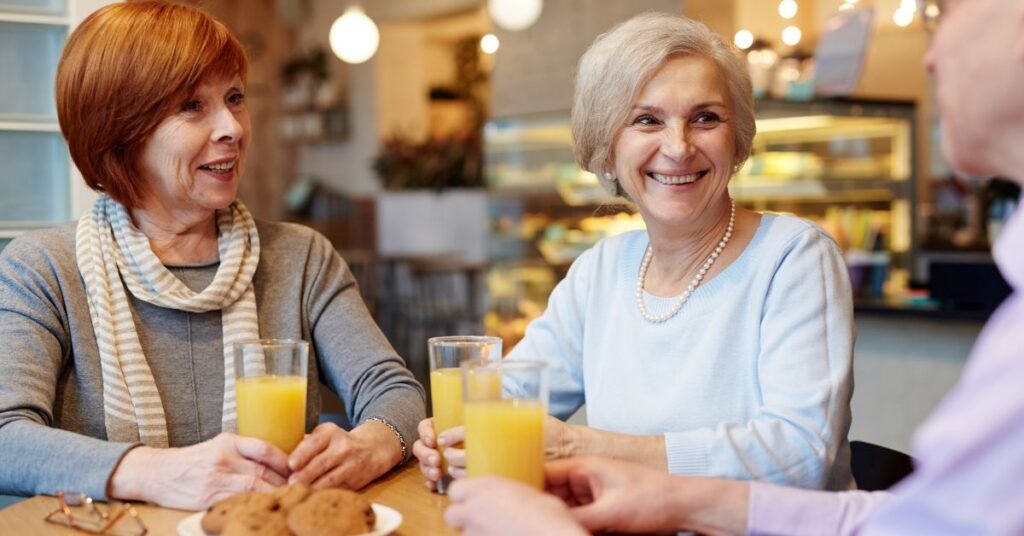
Bistros in assisted living communities serve as vital social hubs where residents connect and flourish. While traditional communities often prioritize physical care alone, forward-thinking communities like Heritage Senior Living recognize that emotional and social well-being deserve equal attention.
Thoughtfully designed spaces create environments where meaningful relationships develop naturally. These gathering places offer:
- Daily opportunities for genuine connection that combat isolation
- Mental stimulation through conversation and social engagement
- Familiar routines that provide comfort and reduce anxiety
- Welcoming spaces for family visits that strengthen important relationships
When evaluating assisted living options, pay close attention to the community’s social atmosphere. Notice how residents interact and inquire about integration processes for newcomers. The right social environment transforms assisted living from basic care into true community living, providing that essential “third place” we all naturally seek throughout life.
Your loved one should have both expert care and meaningful connections. Heritage Senior Living delivers both through caring support and thoughtfully designed social spaces. Call Heritage Senior Living (844) 658-4475 to schedule a tour. See firsthand how our bistro spaces create daily chances to connect, talk and build community—essential parts of truly enriching senior living.
FAQs
Q1. How do bistros in assisted living communities benefit seniors’ mental health? Bistros in assisted living communities provide crucial social spaces that combat isolation and support mental well-being. These environments encourage meaningful interactions, which can significantly improve life satisfaction, reduce the risk of depression and even lower the chances of developing dementia.
Q2. What should families look for when evaluating social spaces in assisted living communities? When touring communities, observe resident engagement levels, the variety of activities offered and staff interactions. Look for multiple comfortable seating areas, extended dining hours and spaces that accommodate different social preferences. Ask about how new residents are integrated and whether there are opportunities for residents to provide input on activities.
Q3. How can assisted living communities balance care needs with emotional support for residents? The best communities recognize that emotional well-being is as important as physical care. They provide a range of social activities, create opportunities for meaningful interactions and offer professional support services like counseling. Staff members in these communities demonstrate both clinical competence and empathy, addressing residents’ emotional needs alongside their care requirements.