

Senior living communities in Hartland, WI, are changing how they approach winter mental health care. Instead of waiting for problems to develop, they’re taking action early to prevent Seasonal Affective Disorder from taking hold of residents’ lives.
This shift from watching and waiting to taking preventive action represents a meaningful change in senior care. Winter wellness becomes less about crisis management and more about supporting residents so they can feel their best all year long.
In this blog, you will learn how today’s assisted living communities are responding with evidence-based approaches that go further than traditional care, using light therapy, organized social programs and professional oversight to address seasonal depression where it starts.
Do Senior Living Communities Help With Seasonal Affective Disorder?
Senior living communities create environments where residents don’t just survive winter months—they can actually feel better during them. These communities understand that Seasonal Affective Disorder isn’t something you simply wait out. Instead, they build daily life around the specific support people need when shorter days and longer nights take their toll.
Daily routines that work with your body’s natural rhythms
Your body craves predictability, especially when the world outside feels unpredictable. A steady daily rhythm becomes your anchor when daylight grows scarce and your internal clock feels confused. Wake up at the same time each day, enjoy meals together and move your body gently—these simple patterns help your brain remember how to regulate sleep and mood.
Communities place comfortable seating near big windows and keep those curtains open wide during precious daylight hours. This isn’t just about brightening a room; it’s about giving your brain the light signals it needs to produce the right chemicals at the right times. When your body can count on this structure, it responds by balancing the hormones that affect how you feel.
Real relationships that keep loneliness at bay
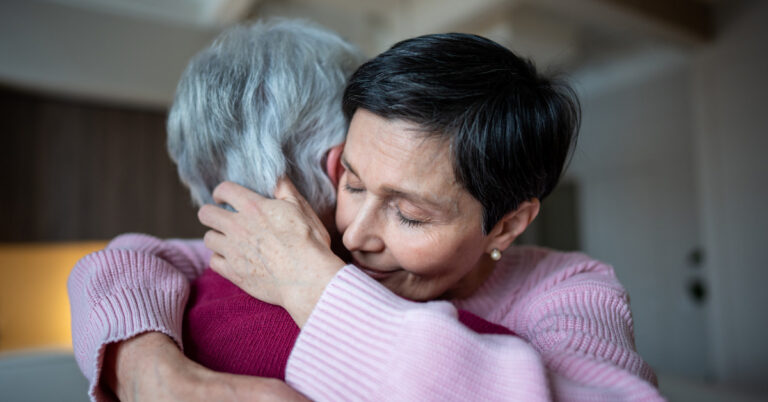
When you share meals with neighbors, participate in book discussions or work together on creative projects, something powerful happens. These interactions don’t just fill time—they create genuine bonds that strengthen your resilience against winter’s emotional challenges. Even brief conversations while walking down the hallway or sitting in a common area provide the human connection that helps you remember you’re not alone.
What is Seasonal Affective Disorder in Seniors and Why Does It Matter?
Seasonal Affective Disorder in seniors represents a type of depression that follows a seasonal pattern, with symptoms lasting approximately four to five months each year (National Institute of Mental Health [NIMH], 2023). This medical condition stems from reduced sunlight exposure during fall and winter, disrupting circadian rhythm and causing hormonal imbalances involving serotonin and melatonin.
Understanding SAD symptoms in seniors
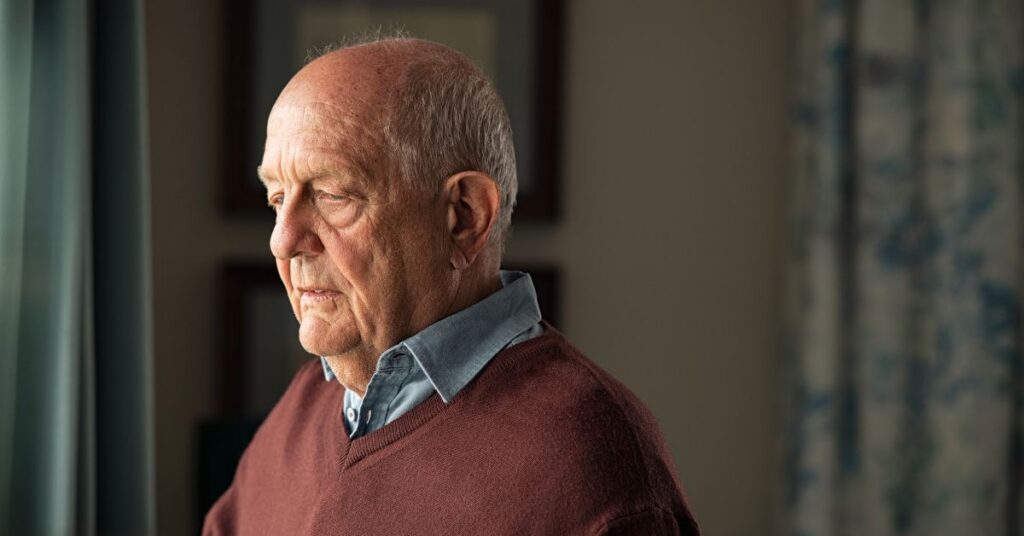
Symptoms in seniors often look different than what you might expect in younger people. Persistent sadness, hopelessness and pulling away from others typically show up first. Many seniors lose interest in life enrichment programs they once loved while feeling tired and drained throughout the day. Sleep becomes either elusive or excessive, often paired with appetite changes—especially strong cravings for carbs that can lead to weight gain. Mental fog creeps in, too: trouble focusing, forgetfulness or thinking that feels sluggish. Physical complaints like unexplained aches and pains may appear without any clear medical cause.
The connection between winter months and senior mental health
Reduced sunlight throws off serotonin production—that crucial brain chemical that keeps mood stable and spirits bright—leaving seniors vulnerable to depression and lethargy. At the same time, too much melatonin production leads to oversleeping and constant fatigue. Seniors face extra challenges here: mobility limits, chronic health conditions and fall risks keep them indoors more often. Vitamin D deficiency, which worsens with age and limited sun exposure, directly affects mood regulation.
How senior living communities recognize SAD early
Staff members see changes that families might miss during visits. While symptoms can look like normal aging or cognitive decline, trained caregivers know what seasonal patterns to watch for: stepping back from favorite life enrichment programs, eating differently, sleep schedule shifts, increased irritability and less excitement about daily life. This careful attention allows for early support before symptoms get worse, helping distinguish SAD from other conditions like dementia or ongoing illness.

Proactive Health Support
Seasonal Affective Disorder requires more than passive observation; it demands evidence-based intervention through light therapy, structured social engagement and professional monitoring. Senior living communities address SAD at its biological source rather than simply managing symptoms after they appear. Most importantly, these comprehensive approaches transform winter wellness from reactive crisis management into proactive mental health support. Contact Heritage Lake Country at (262) 367-2975 to discover how targeted programs can help your loved one thrive year-round.
FAQs
Q1. What is Seasonal Affective Disorder and how does it affect seniors?
Seasonal Affective Disorder (SAD) is a form of depression that follows a seasonal pattern, most often appearing in the fall and winter months when there’s less sunlight. In seniors, reduced daylight can disrupt circadian rhythms and affect hormones like serotonin and melatonin. This can lead to sadness, low energy, sleep changes, increased appetite (especially for carbs), trouble concentrating and social withdrawal.
Q2. How do senior living communities help prevent or manage SAD?
Many senior living communities take a proactive approach. They structure daily routines to increase natural light exposure, encourage regular social interaction and offer wellness programs year-round. This can include light therapy, indoor fitness classes, group life enrichment programs and balanced nutrition.
Q3. Why is early recognition of SAD especially important in assisted living?
Catching symptoms early can prevent a more serious decline. Because staff interact with residents every day, they’re often able to notice subtle changes in mood, appetite, sleep or participation. Early intervention allows for timely support and coordination with healthcare providers—and helps distinguish SAD from other concerns like dementia or typical aging-related changes.