

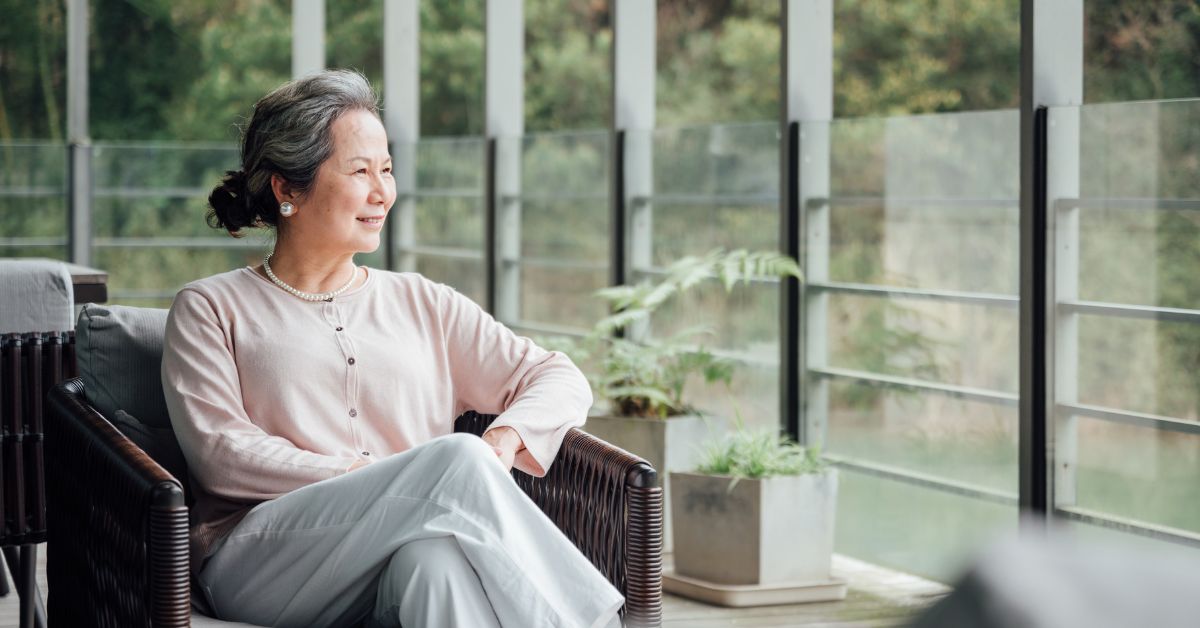
Natural light goes far beyond creating pleasant spaces in assisted living in Wisconsin—it’s an essential for health that can make a real difference in how seniors feel each day. This becomes especially important for seniors in Wisconsin, where winter days grow short and summer brings abundant sunshine.
Natural light serves as a powerful, non-pharmacological intervention that can dramatically improve seniors’ physical health, mental well-being and quality of life in assisted living environments.
The connection between seniors and sunlight reveals something fascinating: as we get older, our bodies change how they use light and this affects our overall health in ways that surprised even researchers. Here’s what science tells us about how natural light works for seniors.
How Does Natural Light Affect Seniors in Assisted Living?
Natural light significantly impacts seniors’ health in assisted living communities, serving as the body’s primary source for vitamin D production, which becomes increasingly vital as we age. Research indicates that just 5-15 minutes of sun exposure 2-3 times weekly enables adequate vitamin D synthesis, supporting bone health through improved calcium absorption while simultaneously enhancing cognitive function and reducing dementia risk (Science Direct, 2022).
Physical health benefits
- Strengthened bone structure: Sunlight-derived vitamin D facilitates calcium absorption, reducing osteoporosis risk and preventing fractures common in elderly populations
- Improved cardiovascular health: Regular sun exposure helps release nitric oxides that naturally lower blood pressure
- Enhanced immune function: Adequate vitamin D levels support overall immune system function, particularly important for vulnerable seniors
- Reduced inflammation: Time outdoors combined with gentle movement helps decrease chronic inflammation associated with arthritis and other age-related conditions
Mental well-being impact
- Elevated mood: Sunlight increases serotonin production, significantly reducing depression risk in seniors
- Improved cognitive function: Research shows moderate daily sunlight exposure is associated with lower dementia risk and better memory retention
- Better sleep quality: Natural light exposure helps regulate melatonin production, establishing healthier sleep-wake cycles
- Reduced anxiety: Time in natural settings provides calming effects, particularly beneficial for those experiencing agitation or stress
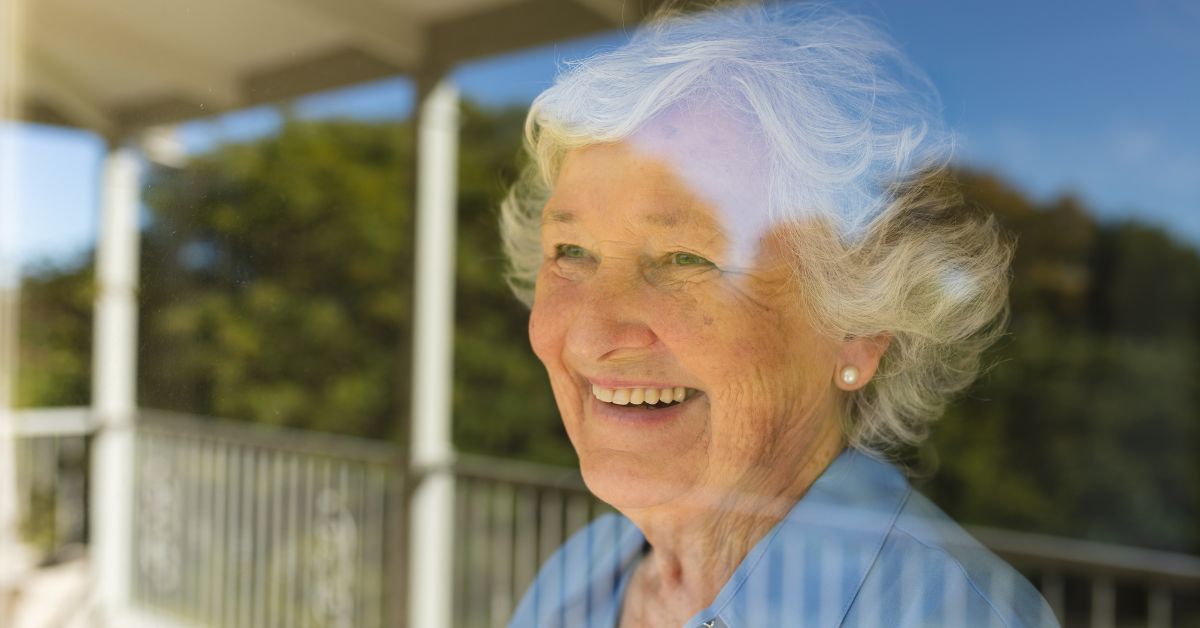
Sunshine’s Gift: Natural Light for Mental Wellness
Morning sunlight helps seniors’ brains produce more serotonin, creating genuine mood improvement. When seniors spend time in natural light, they experience less depression and anxiety, with particular benefits for those with dementia. More time outdoors correlates with better mental health and reduced need for medication.
Brightening spirits in Assisted Living
- Morning light exposure naturally elevates mood and creates a sense of calm
- Natural light therapy reduces anxiety and restlessness in residents with dementia
- Outdoor time promotes overall happiness and emotional well-being
- Creating light-filled spaces helps residents feel more connected and content
Gentle support for better sleep
Sleep troubles are common among seniors, especially those with memory challenges. Natural light helps restore healthy sleep patterns naturally.
- Morning sunlight regulates the body’s internal clock
- Consistent light exposure helps maintain the natural wake-sleep cycle
- Time outdoors improves sleep quality and reduces nighttime disturbances
- Even short daily periods in natural light lead to more restful nights
Cognitive Function and Brain Health
A surprising discovery shows that light exposure significantly impacts our thinking and memory. Natural light patterns—bright in the morning and gradually dimming—can support cognitive function without medication.
- Morning light exposure improves sleep-wake patterns and mental performance
- Natural lighting rhythms offer promising cognitive benefits, especially for seniors
Embracing these natural light principles could transform how we approach cognitive health. By simply adjusting our environments to better align with nature’s rhythms, we open the door to gentler, more harmonious ways to support our minds as we age.
Finding the Right Balance
While sunlight offers wonderful benefits for seniors, too much carries risks. Seniors have thinner skin that’s more vulnerable to damage, so dermatologists recommend these smart precautions:
- Avoid peak UV hours (10 AM-4 PM) for extended exposure
- Wear protective clothing, including wide-brimmed hats
- Use sunscreen with SPF 30 or higher on exposed skin
- Consider vitamin D supplements during the winter season when getting outdoors becomes difficult
Natural light stands as one of the simplest yet most powerful ways to help seniors feel better. For families considering assisted living options in Wisconsin, where seasonal light changes are dramatic, how communities handle natural light should definitely influence your decision.
When you’re looking at assisted living communities, ask how they help residents get natural light. You can call Heritage Senior Living at (844) 658-4475 and schedule a tour to see how they work natural light into their design and daily activities.
FAQs
Q1. How does natural light affect seniors’ mood and mental health? Natural light exposure, specifically in the morning, can significantly improve seniors’ mood and mental health. It increases serotonin production, which helps regulate mood and reduce stress. All this information has shown that morning sunlight exposure can decrease depression symptoms and anxiety in seniors, including those with dementia.
Q2. Can natural light help improve sleep patterns in seniors? Yes, natural light exposure can help regulate sleep patterns in seniors. Morning sunlight helps maintain healthy sleep-wake cycles. Research has shown that seniors who receive adequate morning light exposure experience less fragmented sleep and more stable rest-activity rhythms.
Q3. How can assisted living communities incorporate natural light for residents’ benefit? Assisted living communities can incorporate natural light by encouraging morning outdoor time, strategically placing resident rooms and common areas near windows, scheduling outdoor activities during optimal daylight hours and using full-spectrum light boxes for those with limited mobility. These strategies can help ensure residents receive the health benefits of natural light exposure.