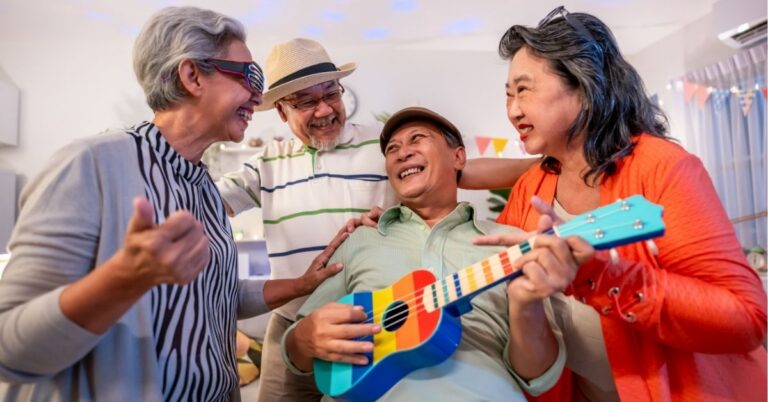


Memory care apartments in Pewaukee, WI, create spaces where seniors continue to build meaningful and joyful experiences each day. These specialized communities understand that cognitive changes don’t eliminate the human need for connection, purpose and happiness. They combine personalized care with carefully chosen activities that spark positive memories and enhance quality of life.
The key to successful memory care lies in recognizing that, despite cognitive changes, the capacity for happiness and meaningful connection remains intact. Quality communities focus on creating daily opportunities for joy, purpose and human connection rather than simply managing decline.
When you visit Heritage Court Waukesha or similar communities, you’ll discover that meaningful engagement activities serve a purpose that extends beyond mere entertainment. Communities offer a range of activities, from gardening clubs to cooking classes, designed to bring residents together. Social games and structured activities prove particularly valuable because they provide comfortable ways to interact that don’t rely heavily on perfect memory or complex conversation.
What Meaningful Engagement Memory Care Activities Help Spark Joy?
Activities become the heartbeat of memory care communities, creating pathways for residents to connect, express themselves and rediscover moments of happiness. These aren’t simply ways to pass time—they serve as bridges between past and present, offering comfort while stimulating minds and spirits.
Music and movement sessions
Music reaches places that words sometimes cannot touch, especially for those facing memory challenges. Even when other memories fade, musical memories often remain intact, preserved in different areas of the brain. Group singing activities enhance the quality of life, cognition and overall well-being for both residents and their caregivers.
Gardening and nature walks
Something magical happens when hands touch soil and faces feel sunshine. Exposure to nature has a positive effect on mood, while spending time in a garden helps reduce agitation. Gardening awakens the senses through simple, meaningful tasks:
- Planting seeds or giving plants water
- Feeling different textures of soil and leaves
- Breathing fresh air and enjoing natural light
These gentle activities improve sleep patterns, reduce anxiety and often enhance appetite.
Art and craft therapy
Creative expression opens doors that conversation alone might leave closed. Art therapy enhances cognitive function, reduces disruptive behaviors and fosters stronger communication between residents and caregivers. This creative freedom enables residents to access emotions and memories that might otherwise remain buried.
Cooking and baking groups
Kitchens hold extraordinary power in memory care settings, engaging multiple senses while stirring up cherished recollections. Simple recipe preparation offers:
- Rich sensory experiences through smells, textures and flavors
- Opportunities to follow gentle steps and sequences
- Deep connections to personal food memories and family traditions

Group games and puzzles
Games designed specifically for memory care residents strengthen cognitive abilities while creating comfortable social opportunities. Such engaging activities enhance memory, focus and problem-solving skills while reducing stress through enjoyable social interaction.
Pet therapy and animal visits
Animals possess an extraordinary ability to calm anxious hearts and spark joy. Studies show animal-assisted therapy improves mood, encourages social interaction and helps manage behavioral challenges. The lovely act of petting an animal releases endorphins and hormones, such as oxytocin, which naturally reduce stress and anxiety.
How does Reminiscence Therapy Help Create Happy Memories?
Reminiscence therapy stands out as a powerful approach in memory care settings. Unlike traditional activities, this therapy taps into long-term memories that often remain accessible even as short-term recall fades. Residents experience meaningful connections through carefully structured reminiscence sessions.
A comprehensive systematic review confirms that reminiscence therapy has a moderate and statistically significant effect in reducing depression in individuals with dementia (Park K. et al, 2019). Some strategies include:
- Using life storyboards and memory boxes: Life story books and memory boxes serve as personal “fact files” about residents, thereby strengthening their sense of identity. These tools contain photographs, essential dates and descriptions of significant life events.
- Themed events based on past decades: These special events bring entertainment and laughter while encouraging residents to reminisce about cultural experiences from their younger years.
- Involving family in storytelling sessions: Family participation transforms reminiscence therapy from a treatment into a celebration. Relatives often learn previously unknown stories about their loved ones, creating fresh connections amid memory challenges.
Ideal Joyful Living
Memory care apartments offer far more than specialized assistance for seniors facing cognitive challenges. Throughout this exploration, we’ve discovered how engaging activities create meaningful experiences each day. These communities understand something profound: joy remains possible—and necessary—even when memory changes.
Meaningful activities spark joy through multiple pathways. Music sessions unlock emotional memories that remain intact despite other cognitive changes. Gardening activities stimulate the senses while creating a sense of purpose. Art therapy, cooking groups, games and pet therapy open doors for expression, connection and accomplishment.
Reminiscence therapy proves particularly powerful for creating joyful moments. It taps into long-term memories that often remain accessible, helping residents reconnect with their identity and share their stories with others.
While memory care addresses cognitive decline, the emphasis stays on living well each day. Contact Heritage Court Waukesha at (262) 542-3434 to schedule a tour and see firsthand how these specialized environments support both residents and their families through meaningful experiences.
FAQs
Q1. What types of activities are beneficial for seniors in memory care?
Senior communities offer a varied list of activities, including music therapy, gardening, art projects, cooking groups and pet therapy. These programs support cognitive function, encourage social interaction and provide emotional comfort.
Q2. What role does reminiscence therapy play in memory care?
Reminiscence therapy utilizes tools such as life story boards, familiar music, comforting scents and decade-themed events to activate long-term memories. This helps residents maintain their identity and form meaningful connections.
Q3. What are some effective ways to engage memory care residents in social activities?
Simple social games, group puzzles and structured activities help residents connect in a low-pressure way. These activities promote cognitive stimulation and create natural opportunities for social engagement.