
The transition to assisted living in Eau Claire, WI, should feel like stepping into a world of comfort and support. Yet for many families, this vital move can trigger unexpected anxiety and stress. You’re not alone if this resonates—undeniably, anxiety touches older adults, though it often remains unrecognized and untreated.
The best way to manage stress in assisted living is by implementing several techniques customized to the individual. This creates a comprehensive plan that achieves both quick relief and lasting emotional wellness.
Seniors respond remarkably well to stress-reduction techniques designed for their specific needs. This guide outlines five strategies that have helped countless older adults regain calm during transitions to assisted living, as you learn the difference between physical and mindfulness practices for your loved one.
Compare the Effects of Physical Exercise and Mindfulness Practices on Stress Relief in Assisted Living
Your loved one has options when it comes to stress relief and understanding how physical activity and mindfulness work differently can help you make the right choice. Both approaches offer genuine benefits, but they tackle stress through distinct pathways that serve different needs.
Benefits of physical activity
Movement creates immediate shifts in both body and mood. For example, when seniors engage in yoga practice, balance improves alongside mobility and independence (Madhivanan, P. et al, 2021). The practice actually changes brain structure in areas where aging typically causes decline. On the other hand, sleep becomes more restful, chronic pain often lessens and a natural mood lift occurs due to the release of endorphins.
Benefits of mindfulness practices
Mindfulness meditation works from the inside out, changing how your loved one relates to stressful thoughts rather than just managing symptoms. It directly reduces loneliness, depression, anxiety and the repetitive worrying that can consume seniors. The practice builds present-moment awareness while reducing judgment about difficult experiences.
When to use one over the other
Consider your loved one’s needs and what appeals to them. If they need to channel restless energy or want a quick mood lift, physical exercise is a great choice. If they are looking for social connection, enrolling in exercise classes provides a natural way to build community.
Mindfulness shines when emotional regulation is the main challenge. For seniors with mobility limitations or busy schedules, guided meditation offers accessible relief. During moments of acute distress, simple breathing techniques often calm anxiety faster than physical movement.
Combining both for the best results
Combining mindfulness with physical activity creates better outcomes than using either alone. The combination excels at both stress relief and emotional stability. Activities like tai chi, qigong and mindful walking naturally blend both elements. Seniors in combined programs may feel physically stronger while experiencing less stress and a more positive outlook overall.
What are the Five Effective Techniques to Reduce Senior Stress?
Real stress relief comes from practical methods that actually work for older adults. Each technique below has helped seniors regain control during difficult transitions. Choose the ones that feel right for your situation—you know your loved one best.
1. Progressive muscle relaxation
Many seniors carry tension without realizing it. Progressive muscle relaxation teaches you to systematically tense and then release each muscle group, starting with your toes and working upward. This practice reveals exactly where stress lives in your body. Once you recognize these tension patterns, you can address them before they become overwhelming.
2. Gentle physical activity
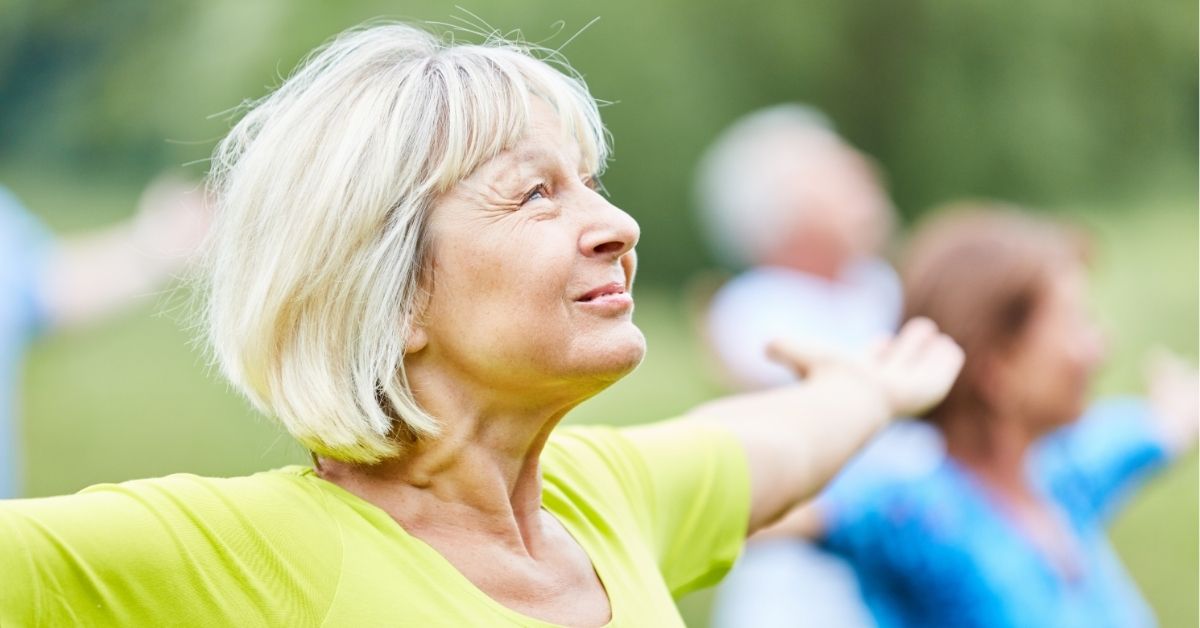
Movement doesn’t have to be strenuous to be healing. Tai chi and yoga flow like a gentle dance, improving balance and flexibility while calming the mind. Think of it as a form of meditation with movement.
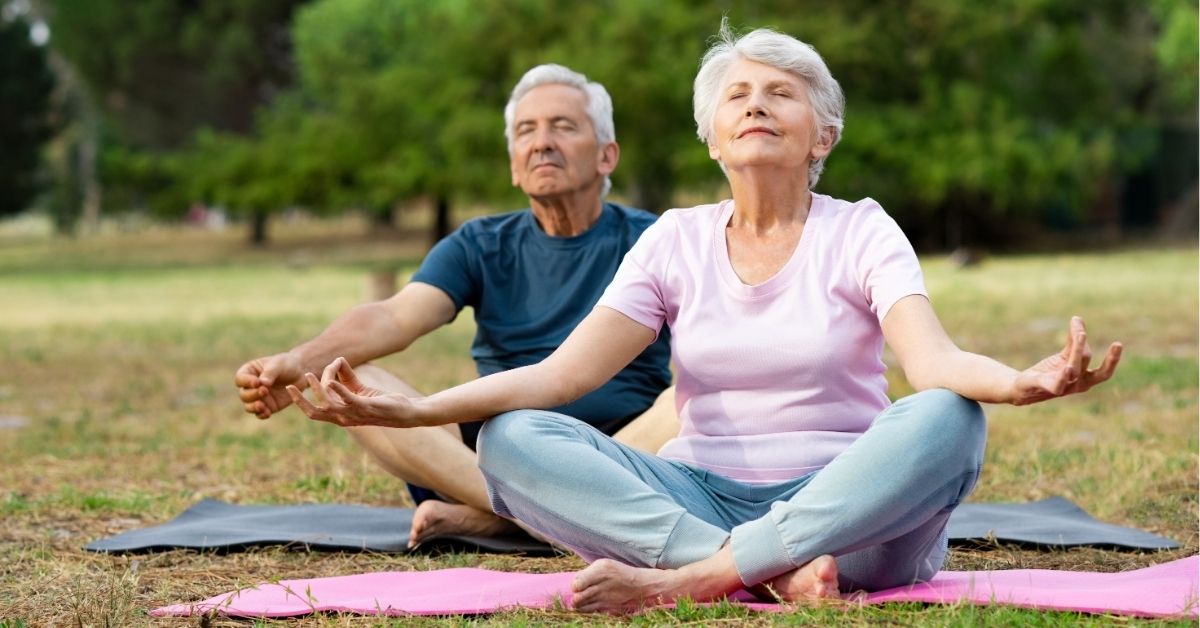
3. Mindfulness and meditation for seniors
Mindfulness offers powerful stress relief by focusing your attention in the present moment. Instead of letting your mind drift toward past regrets or future worries, this technique anchors you right where you are. Regular practice actually reduces cortisol levels while increasing brain tissue that typically decreases with age.
4. Creative hobbies and therapeutic activities
Art heals in ways that words sometimes can’t. Therapeutic coloring, painting and simple crafts provide emotional outlets while engaging multiple brain regions. These activities aren’t just pleasant pastimes—they measurably reduce stress hormones and lift mood. The act of creating something beautiful becomes its own form of therapy.
5. Social engagement and support groups
Community activities and support groups offer excellent opportunities for seniors to share experiences and form genuine friendships. This regular social engagement is a critical health booster—it not only reduces the risk of depression but can even extend lifespan. There’s profound strength in knowing others understand your journey.
Signs of Stress and Anxiety?
The journey through stress management doesn’t have to feel overwhelming—you now have concrete tools to help your loved one find peace during their transition to assisted living. Stress management becomes so much more manageable when you understand that these challenges respond well to the right approach.
The five techniques we’ve explored give you options that work for different personalities and situations. Some seniors find immediate comfort in exercising during anxious moments, while others discover joy in therapeutic crafting activities that calm both their minds and spirits.
You don’t have to navigate this alone. Quality assisted living communities understand these challenges and build their care around addressing them. Heritage at Oakwood Hills recognizes these exact needs and has designed its programs around supporting emotional wellness alongside physical care. Call us at (715) 831-9118 today to schedule a tour and see how we help residents not just adapt, but flourish in their new chapter of life.
FAQs
Q1. Why is it better to combine exercise with mindfulness for stress relief?
Mixing movement with mindfulness—such as in tai chi or mindful walking—can ease stress more effectively than doing either alone. It helps boost mood, focus and emotional balance.
Q2. How does physical activity help older adults manage stress?
Gentle exercises like walking, yoga or tai chi help reduce stress by boosting endorphins, improving sleep and encouraging social connection—all of which are great for overall well-being.
Q3. Can creative hobbies really reduce stress for seniors?
Definitely, activities like painting or crafting help lower stress hormones, offer a sense of calm and achievement, and keep the mind engaged in a fun and relaxing way.