
What happens when kindness becomes the heartbeat of an assisted living community? You’ll find the answer at Heritage Assisted Living in Eau Claire, WI, where compassion shapes every interaction and relationship.
Kindness transforms assisted living from basic care into thriving communities—it nurtures mind, body and spirit, proving that later years can be filled with purpose, joy and meaningful contribution.
Assisted living communities build environments rooted in compassion, where residents contribute to their broader community in meaningful ways and the remarkable effects of these acts of kindness are evident in the health and happiness of seniors. There exist specific programs and activities that foster genuine connections and discover how the culture of kindness enriches everyone’s daily experience.
How Does Kindness Shape Daily Life in Assisted Living?
Kindness serves as more than just a pleasant addition to assisted living communities—it becomes the cornerstone that shapes every aspect of daily life for both residents and staff. This atmosphere demonstrates how genuine compassion fosters environments where seniors feel genuinely valued, not merely managed.
Creating a culture of compassion
You notice something different the moment you walk into a compassionate assisted living community. This “culture of loving-kindness” creates a tangible warmth that touches every interaction. The foundation rests on understanding that residents require emotional connection and authentic engagement alongside their physical care needs.
Small actions carry enormous weight here. A warm morning greeting, remembering a resident’s favorite tea or taking time to hear about grandchildren creates an atmosphere where residents experience dignity and belonging rather than just receiving basic services.
Staff training focused on empathy
Care teams receive specialized preparation in empathy, active listening and thoughtful conflict resolution. This training helps staff notice and respond to needs that residents may find difficult to express directly.
Some forward-thinking communities now use arts-based training methods that strengthen emotional intelligence and critical thinking abilities. The training goes deeper than technical competencies, helping caregivers understand how their tone, body language and presence affect residents—particularly during challenging moments. The approach can be described as “walking alongside residents, both literally and metaphorically”.
Resident-to-resident support systems
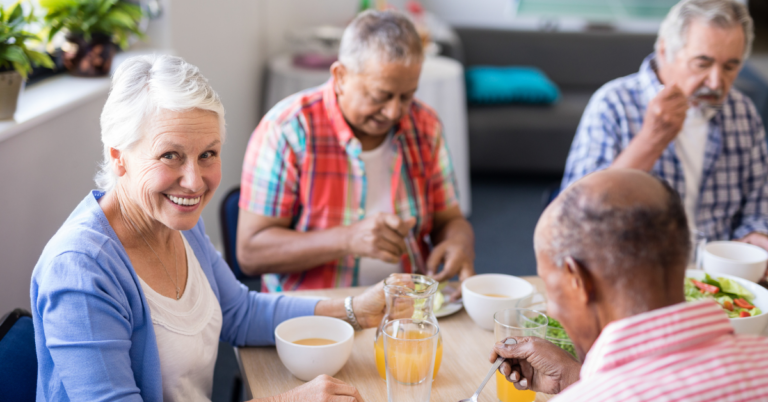
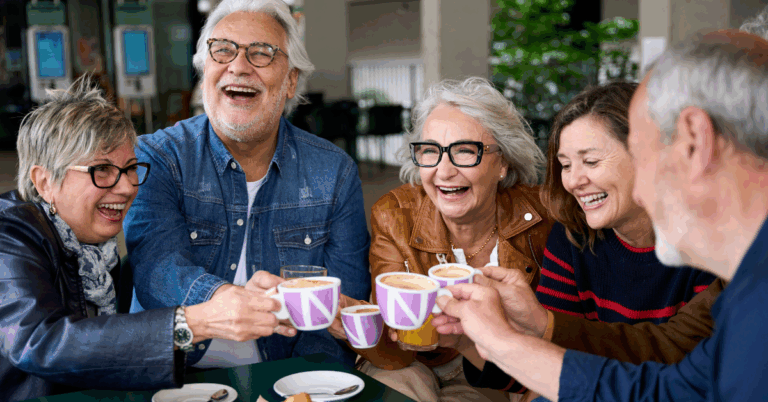
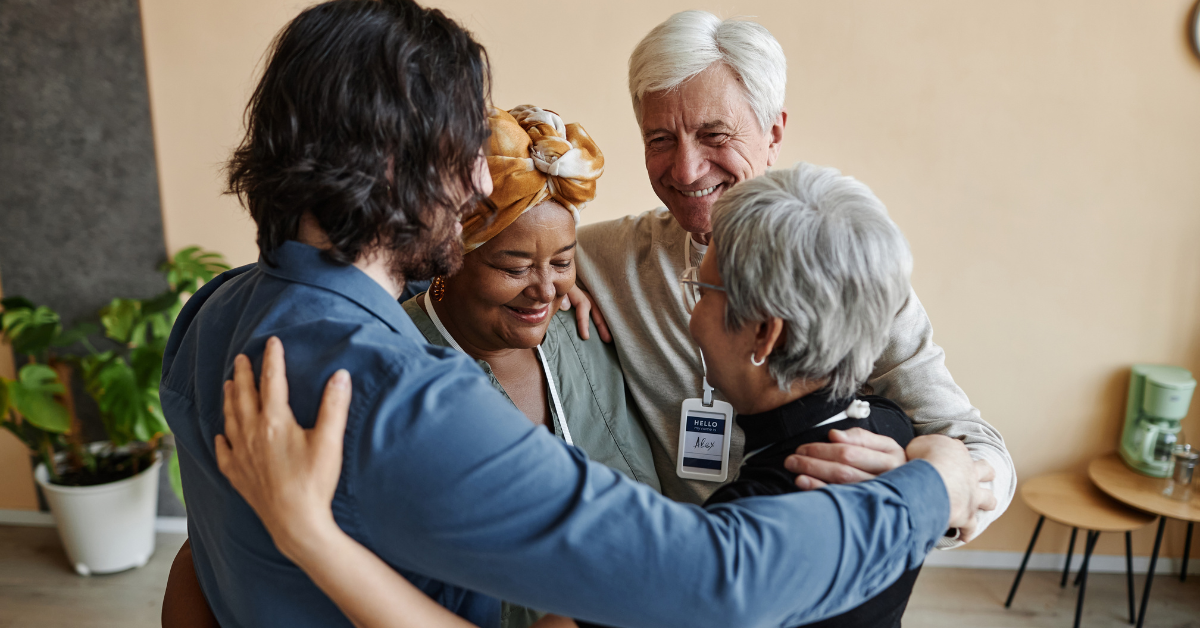
The most beautiful aspect may be watching kindness grow naturally between residents themselves. Compassionate communities foster environments where residents develop genuine support networks—neighbors who check on each other, share resources and form lasting friendships.
These peer connections become vital sources of emotional strength. New residents benefit tremendously from having established community members who understand the adjustment process and can offer both practical advice and emotional support. Many communities enhance these natural bonds through formal mentorship programs or resident councils designed to welcome newcomers.
How do Purposeful Activities Encourage Kindness?
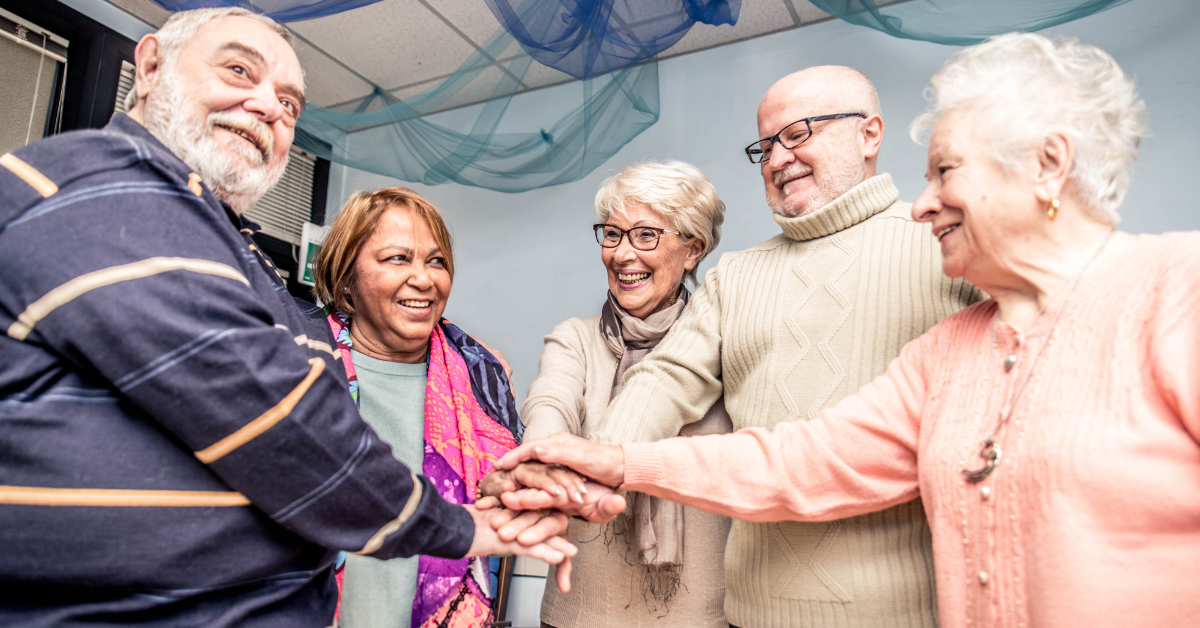
Purposeful activities become the bridge that connects individual fulfillment with community spirit. When seniors engage in structured opportunities to give back, they discover meaning that stretches far beyond their personal world.
Purposeful living activities for seniors
Meaningful engagement brings remarkable changes to seniors’ overall well-being. Activities that offer emotional, creative, intellectual and spiritual stimulation—designed around individual preferences—help residents stay actively involved in their communities.
Seniors who participate in creative pursuits like painting, music, writing or cooking notice improved moods and stronger mental health. This understanding leads assisted living programs to include gardening, mentoring, pet therapy and volunteering opportunities that specifically nurture a sense of purpose.
Group volunteering events
Community service ranks among the most beneficial activities for senior mental health. Seniors who volunteer together experience reduced stress, depression, anxiety and fewer general health issues. The physical benefits are equally impressive—volunteering helps decrease the risk of heart disease and strokes.
Research confirms that participation in voluntary service is a significant predictor of improved mental and physical health, higher life satisfaction and reduced mortality, with recent longitudinal studies further confirming that these benefits are a direct result of volunteering itself, not simply due to the self-selection of healthier individuals (Yeung et al, 2017).
Many assisted living communities organize group service opportunities, from helping at soup kitchens to supporting fundraising events for community centers, creating bonds while serving others.
Celebrating Acts of Kindness
Aging brings changes, but assisted living communities rooted in kindness prove that later years can overflow with connection, contribution and happiness. Families looking for the right community need to look past basic amenities and find places where compassion shapes every aspect of daily life. These environments don’t just meet physical needs—they nourish the whole person.
Kindness changes everything about the assisted living experience. What starts as simple caregiving becomes a thriving community where seniors discover renewed purpose and joy.
The specialized programs at communities like Heritage Oakwood Hills reflect this philosophy perfectly. Instead of generic activities, these communities offer emotional, creative, intellectual and spiritual experiences tailored to what each person enjoys most. You can see this personalized approach in action by scheduling a tour—call Heritage Oakwood Hills at (715) 831-9118 to arrange your visit and witness how this caring environment fosters natural kindness among residents.
FAQs
Q1. How does kindness impact the health of seniors in assisted living?
Kindness can make a big difference in a senior’s well-being. Seniors who volunteer or regularly do small acts of kindness often see lower rates of depression, better cognitive function and even reduced mortality risk. The emotional boost that comes from giving and receiving kindness also helps ease anxiety and supports overall mental health.
Q2. What are some ways residents in assisted living give back to their community?
Residents give back in lots of meaningful ways. Many join holiday charity drives, work on outreach projects or mentor younger people in the community. Others contribute through crafting—like knitting hats, making blankets or creating handmade cards—to donate to local organizations and people in need.
Q3. How do assisted living communities foster a culture of kindness?
Communities nurture kindness by training staff in empathy-based care, highlighting and celebrating acts of kindness and encouraging residents to support one another. They also host purposeful group activities and volunteer programs that make compassion a natural and enjoyable part of everyday life.