
Social isolation is nowhere near just an emotional challenge for seniors in memory care in Port Washington. It creates a serious physical threat to their cardiovascular health. Loneliness leads to higher blood pressure, increased stress hormones and a greater risk of heart disease and stroke. This makes addressing isolation a vital health intervention, not just a quality-of-life concern.
Isolation isn’t just emotionally harmful for seniors with memory loss—it leads to measurable cardiovascular damage that can be prevented through meaningful community engagement.
Memory care communities like Heritage Lincoln Village Senior Living understand this connection. They design environments that promote meaningful social interactions. These communities know that each conversation, shared meal or group activity works as preventive medicine for their residents’ hearts.
What Are The Signs Of Social Isolation To Watch For In Memory Care Residents?
Memory care residents show early warning signs of social isolation that both caregivers and family members must watch carefully. Quick identification of these signs enables early intervention before health problems emerge.
Withdrawal from group activities
Residents who skip or refuse to join activities they once enjoyed demonstrate one of the earliest warning signs. They might make excuses to avoid social gatherings or stay quiet during group interactions.
Changes in appetite or sleep
Social isolation disrupts normal physiological patterns. Lonely individuals experience poor appetite or fragmented sleep patterns that reduce sleep quality, which guides them toward hormonal imbalances. Poor sleep creates a cycle that makes isolation worse.
Increased confusion or agitation
Confusion or agitation might appear in socially isolated residents—these symptoms can be mistaken for worsening dementia. Isolated residents can display more physical, verbal and socially inappropriate behaviors. This change happens partly because they lack the mental stimulation that comes from regular social interaction.
Verbal expressions of loneliness
Residents often speak directly about feeling disconnected. They might say they feel forgotten, express that nobody cares or ask repeatedly about family members who aren’t there. These words mean more than just memory loss.
Decline in personal hygiene
Personal cleanliness often deteriorates when residents become isolated. They lose interest in their appearance. You might notice unwashed hair, repeated wearing of the same clothes or food stains on clothing.
Physical symptoms like fatigue or chest pain
Isolation affects the body directly. Isolated residents report more frequent and intense pain. Their bodies release cortisol or other stress hormones that interfere with brain function and cause inflammation. Higher vascular resistance and blood pressure put these residents at greater risk of heart attacks and strokes.
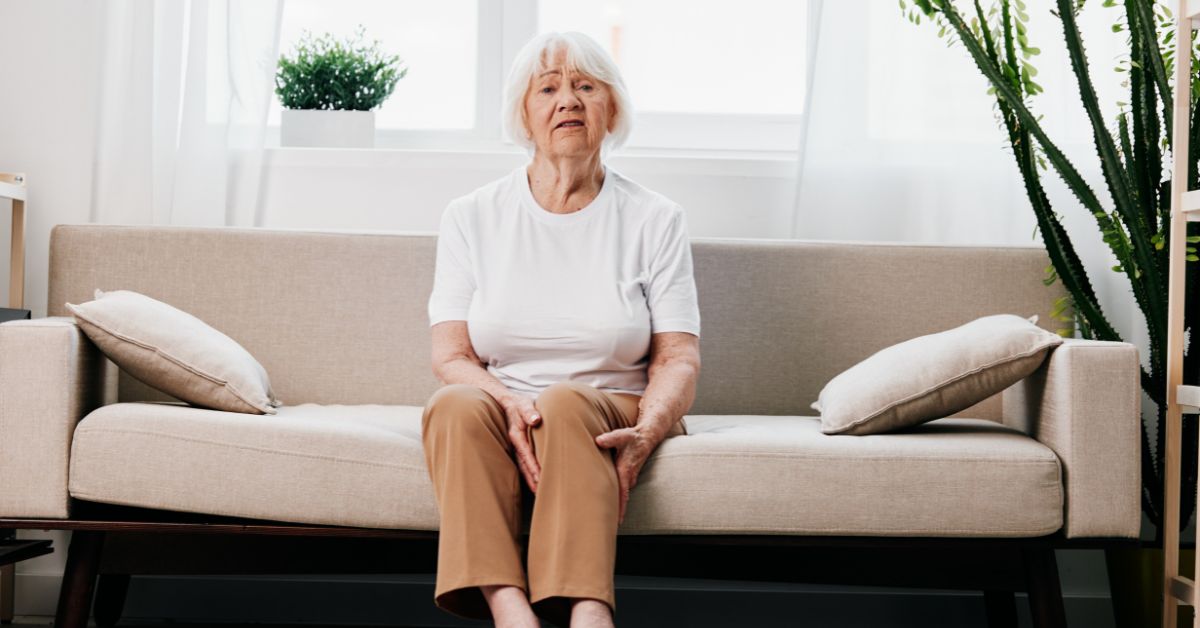
Can Loneliness Actually Cause High Blood Pressure In Seniors?
People who feel lonelier see their systolic blood pressure climb faster as time goes by. A major long-term study tracked adults for five years and found something striking. People who felt lonely had systolic blood pressure readings 3.7 mmHg higher at baseline (Hawkley et al., 2010). These readings jumped another 2.3 mmHg during the study compared to people with strong social connections.
This wasn’t just a chance finding. The connection stayed strong even after researchers factored in age, gender, ethnicity, heart medications and other typical risk factors. On top of that, it turns out that ongoing social isolation raises death risks and loneliness can increase mortality (Journal of the American Heart Association, 2022).
Heart-healthy social activities
Social connection acts as a powerful medicine for heart health in dementia care, reducing cardiovascular stress and isolation through meaningful engagement:
- Group music therapy: Lowers blood pressure and anxiety by tapping into preserved emotional memories and reducing agitation.
- Gentle group exercise: Activities like seated yoga combine physical strengthening with social bonding to lower stress levels.
- Art workshops: Reduce heart-damaging stress and depression by mixing cognitive stimulation with creative expression.
- Pet therapy: Interacting with animals releases calming hormones like oxytocin, lowering cortisol and protecting the heart.
- Nature and gardening: Sensory experiences outdoors lower blood pressure and improve overall quality of life.
Social Connection is Heart Health
Better heart health for seniors with memory challenges depends on meaningful social connections. Music awakens memories, gentle exercise builds body and community bonds and creative expression reduces stress hormones. Social connections provide powerful medicine for aging hearts.
We need to watch for signs of isolation in any setting. Changes in appetite, sleep problems, withdrawal from activities or expressions of loneliness need immediate attention.
These warning signs often appear before physical symptoms show up, giving families and caregivers time to address isolation before it affects heart health. Call Heritage – Lincoln Village Senior Living at (262) 268-1300 to schedule a tour and see how social connection integrates into every aspect of memory care.
FAQs
Q1. How does socializing help seniors with memory issues?
Spending time with others can make a real difference. Regular social interaction helps keep the brain active, lowers stress and may even slow cognitive decline. It also supports better overall health and can help seniors recover more quickly from illness or injury.
Q2. What are some signs a memory care resident might be feeling socially isolated?
You might notice them pulling away from group activities, sleeping or eating less, seeming more confused or agitated or saying they feel lonely. Changes in personal hygiene, low energy or more frequent complaints of pain can also be signs it’s time to step in and offer extra support.
Q3. What social activities work well for seniors in memory care?
Activities that are engaging but not overwhelming tend to work best. Group music sessions, gentle movement classes, art projects, pet therapy and gardening or short nature walks all encourage connection while supporting memory, mood and physical well-being.