
Finding the right memory care apartment in Pewaukee, WI, for someone you love feels overwhelming. You want more than just medical care—you want your family member to experience joy, connection and purpose each day. This hope isn’t misplaced. The activities offered at a memory care community can genuinely transform daily life for residents with Alzheimer’s or dementia.
Effective memory care activities combine cognitive stimulation, emotional connection and routine structure to help residents with dementia maintain quality of life and access unaffected parts of their brains.
Quality activities for seniors in memory care do something remarkable: they reach parts of the brain that dementia hasn’t touched yet. While memory challenges affect certain areas, other regions remain vibrant and responsive. Music might unlock a smile when words fail. Art projects can provide satisfaction when conversations become difficult. Heritage Court Waukesha understands this connection between meaningful engagement and well-being.

What Makes An Activity Effective For Memory Care Residents?
Effective memory care activities rely on three core pillars: cognitive engagement that feels natural, routines that provide comfort and emotional connections that honor who each person has always been. To be truly beneficial for residents with dementia or Alzheimer’s, activities must be meaningful and failure-free.
How do activities support cognitive stimulation for seniors?
Cognitive stimulation activities work differently than you might expect. Rather than drilling specific mental tasks like a workout for the brain, they create opportunities for thinking, concentration and memory to happen naturally within social settings. Picture a small group discussing old photographs or sharing stories—the cognitive work happens through connection, not isolation.
Research backs up what caregivers have long observed. These socially-based activities provide meaningful cognitive benefits, showing a small but clinically important difference of 1.99 points on cognitive function tests compared to control groups (Woods et al., 2023). Even more encouraging, they consistently improve communication and social interaction, with strong evidence showing real improvements in how residents connect with others.
What Are The Top Eight Activities Used in Memory Care Apartments?
The best memory care communities don’t leave activities to chance. Each program serves a specific purpose, whether that’s maintaining cognitive abilities, fostering social connections or simply bringing moments of happiness to residents’ days.
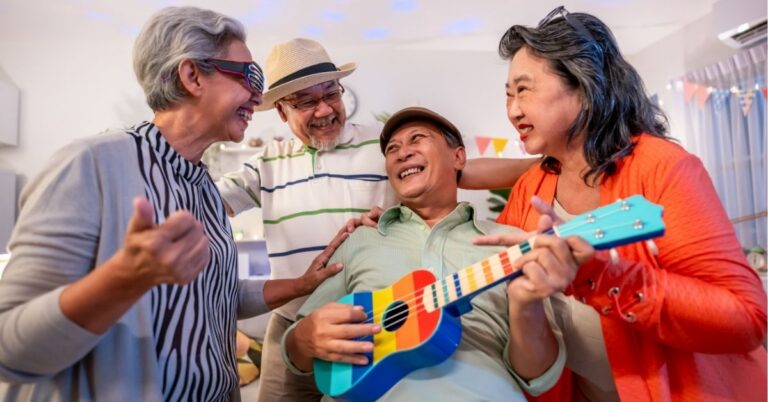
1. Music therapy and sing-alongs
Songs have a unique power to reach residents when other forms of communication fall short. Group sing-alongs work particularly well because they tap into long-term memories that often remain surprisingly intact. Residents who struggle to remember yesterday’s lunch might sing every word of “White Christmas” or “Blue Moon” with perfect clarity.
2. Reminiscence therapy with photo albums
Personal photographs serve as bridges to identity and history. Photo reminiscence therapy has been shown to minimize social isolation and improve cognitive performance (Wang et al., 2024). Real family photos work best—not generic images from magazines. Pictures of weddings, children’s birthdays or family pets often spark conversations and connections that surprise everyone.
3. Art and painting sessions
Art offers expression without words. Art therapy can reduce agitation and enhance emotional well-being. Simple watercolor projects or coloring detailed patterns work well because they focus on the process rather than creating a masterpiece. Sessions typically run 30-45 minutes—long enough for engagement but short enough to prevent frustration.
4. Gardening in courtyards
Soil under fingernails and the smell of fresh herbs can awaken memories that have been dormant for years. Activities like planting seeds, watering plants or harvesting vegetables provide a sense of purpose and accomplishment. Raised garden beds make gardening possible for residents using wheelchairs or walkers.
5. Cooking and baking simple recipes
The aroma of fresh-baked cookies or the familiar process of making sandwiches can trigger powerful sensory memories through familiar smells, tastes and textures. Simple cooking projects work best—decorating cookies, assembling parfaits or mixing salad ingredients. These activities promote teamwork as residents work together toward a shared goal.
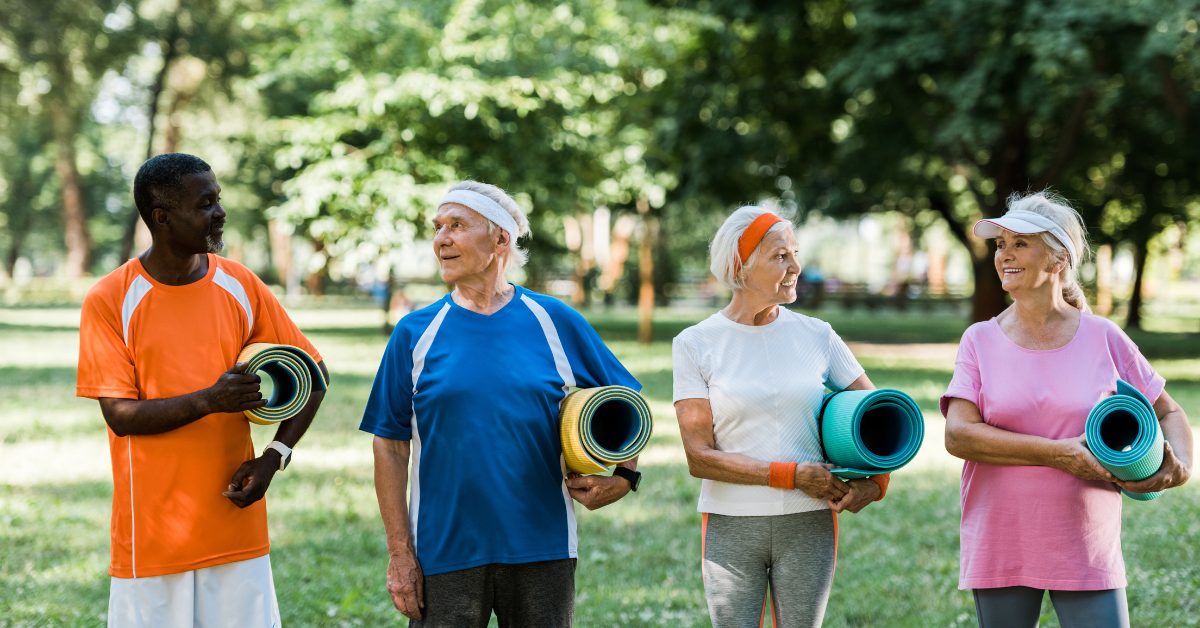
6. Chair yoga and light movement
Movement doesn’t require standing or walking. Specially designed seated exercise programs improve physical function without risking falls. Chair yoga combines gentle stretching with breathing exercises, helping residents maintain flexibility while reducing anxiety.
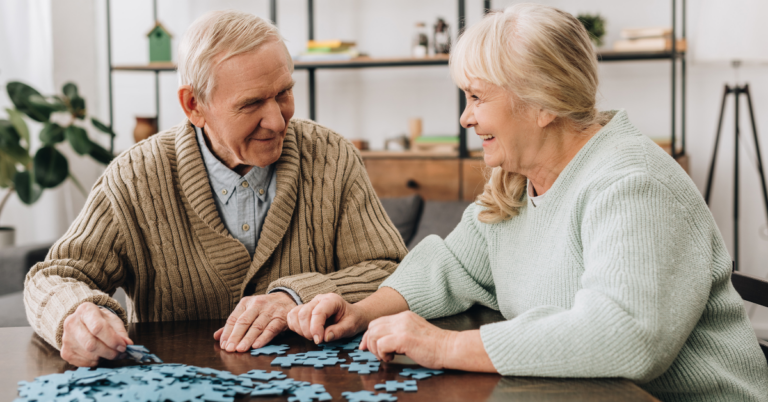
7. Puzzle solving and memory games
Jigsaw puzzles strongly engage multiple abilities, including perception, constructional praxis and reasoning. Puzzles may help maintain cognitive function, particularly visuospatial skills. The satisfaction of fitting pieces together provides a sense of accomplishment that many residents haven’t felt in months or years.
8. Pet therapy and animal visits
Animals offer something unique: unconditional acceptance. Regular pet therapy sessions have been shown to minimize agitation and enhance feelings of empathy in residents with dementia. Both living animals and specially designed robotic pets can provide these benefits, offering comfort that boosts emotional well-being.
New Chapters Filled With Connection
Your search for memory care apartments doesn’t have to feel like settling for less. The right community will honor your loved one’s story while creating new chapters and purposes.
What you’ve learned here points to a simple truth: activities aren’t just time-fillers in quality memory care—they’re lifelines to the person your family member has always been.
Heritage Court Waukesha demonstrates this person-centered philosophy every day. Our team takes time to understand each resident’s unique needs, then adjusts an approach as those needs evolve. When you call us at (262) 542-3434 to schedule a tour, you’ll see how their therapeutic recreation programs bring out the best in residents, even on difficult days.
FAQs
Q1. What kinds of activities work best for seniors living in memory care apartments?
The most effective activities are ones that feel familiar and enjoyable. Things like music therapy, looking through photo albums, art projects, gardening, simple cooking, chair yoga, puzzles and even pet therapy are great options. These activities help stimulate the mind, create emotional connections and give residents a sense of purpose throughout the day.
Q2. How do memory care communities personalize activities for each resident?
Personalization starts with getting to know the resident. Care teams talk with residents and their families to learn about life stories, cultural backgrounds and favorite pastimes. That information is then used to design activity plans that reflect each person’s interests, making participation feel more meaningful and comfortable.
Q3. Why is having a routine so important in memory care?
Routine creates a sense of calm and predictability. When residents follow a consistent daily schedule with familiar activities, they’re less likely to feel anxious or confused. These routines also tap into procedural memory—skills and habits that often last longer than short-term memory—helping residents feel more confident and at ease.