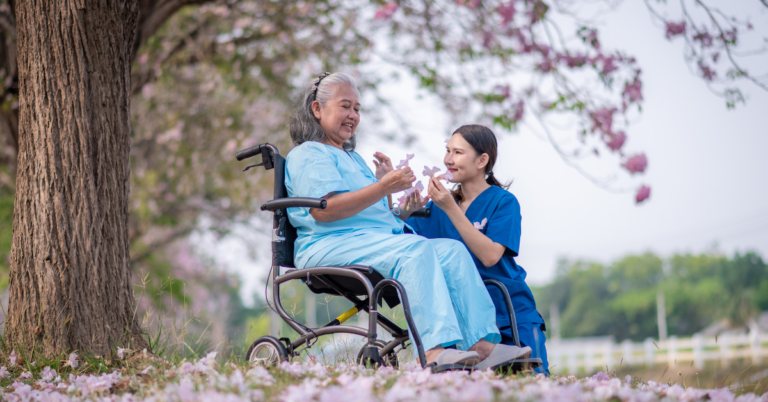


Something remarkable happens when you focus on what remains rather than what’s been lost. Gratitude shifts your perspective from dwelling on difficulties to recognizing moments of connection and joy. This change matters deeply when caring for someone with cognitive issues in a memory care facility in Monona, WI.
Gratitude practices in memory care settings create profound transformations by shifting focus from deficits to remaining strengths, fostering emotional connections that persist even as cognitive abilities decline.
Heritage Monona has discovered that positive psychology isn’t merely a theory to discuss—it becomes real through daily practice. This blog will guide you through the importance of gratitude for senior emotional health and show you exactly how both communities and families can actively support this gratefulness.
Why is Gratitude Essential for Emotional Health in a Memory Care Facility?
Emotional connection outlasts memory loss. Even when cognitive abilities fade, feelings of joy, fear and love remain—often becoming more intense as other functions decline. This emotional truth explains why gratitude works so well in memory care settings.
Understanding the heart needs of memory care residents
Deep down, people with dementia still need comfort, belonging and respect. Feeling protected becomes their primary psychological need due to increased vulnerability; there is always a need for emotional support and connection. Memory care residents thrive in environments that foster meaningful relationships, offer activities that feel worthwhile and respect their self-esteem.
How gratitude shifts focus from deficits to strengths
For too long, dementia care focused on losses. Caregivers who practice gratitude tell a different story—they begin to see abilities that persist. Gratitude serves as an internal resource that helps caregivers find meaning in the face of challenges.
When both caregivers and residents practice gratitude, attention moves from limitations to capabilities that remain. Caregivers with grateful hearts exhibit greater resilience, more profound empathy and a better ability to navigate difficult moments.
The role of positive psychology in memory care programs
Rather than just fixing problems, positive psychology helps people flourish and thrive. Having a purpose in life—something gratitude practices nurture—connects to a reduced risk of dementia of up to 30% (Vasileiou, D. et al, 2025). Positive approaches, such as gratitude, may lower cortisol levels and reduce brain inflammation while building resilience against cognitive decline.
What lasting changes does gratitude create for people with dementia?
Practicing gratitude brings dementia patients benefits that extend far beyond fleeting moments of happiness. These lasting positive changes turn everyday care interactions into opportunities for genuine connection and a better quality of life. Some examples of lasting changes are:
- Reduced agitation and improved mood
- Enhanced social connection and trust
- Better sleep and cognitive engagement
- Increased sense of purpose and identity

How Gratitude Becomes Part of Each Day at Heritage Monona
Walk through Heritage Monona and you’ll notice something different about the daily rhythm. Gratitude resides in the ordinary moments—morning conversations, group activities and shared meals—creating connections that matter even when memory becomes uncertain.
Morning affirmations and gratitude prompts
Residents receive gentle guidance through morning reflections tailored to their specific needs. Some days, caregivers lead these moments entirely. On other days, you might see a resident’s face light up as they recall the routine and join in without prompting. Since each person participates at their own level, that participation itself becomes a joyful thing to celebrate.
Gratitude-themed group activities
Thanksgiving and other seasonal celebrations become more than traditional observances; seasons offer natural invitations to practice appreciation. They transform into purposeful opportunities where activities specifically encourage reflection and connection. The focus stays on creating genuine moments of appreciation rather than perfect execution.
Staff-led appreciation moments
Watch the staff here and you’ll see intentional kindness. Every greeting includes a smile and every interaction acknowledges the person receiving care. Recognition events celebrate team accomplishments together—holiday breakfasts and themed appreciation days that reinforce the culture everyone works to maintain.
How can Families Support a Gratitude-focused Environment?
As a family member, you set the tone for meaningful gratitude practices in memory care. Every visit, even a short one, becomes a chance for genuine connection when you focus on bringing appreciation and positive engagement to the moment.
Some ideas to get involved may be:
- Participating in gratitude-based activities
- Sharing stories and photos that spark joy
- Expressing appreciation to staff and residents
- Creating a gratitude journal together
- Attending community events that celebrate thankfulness
Appreciation Moments
In memory care, gratitude transforms the whole approach. This simple shift in perspective quickly becomes something much deeper—it’s a continuous way to honor the individual at their core, even when cognitive decline alters their reality. The emotional heart that continues to beat strongly provides the perfect foundation for these practices to grow and flourish.
Science supports what our hearts already know: expressing appreciation calms anxiety, improves sleep, strengthens relationships and helps people maintain their sense of self. These changes touch every aspect of daily life, creating ripple effects that benefit everyone in the care community, including families.
Your loved one’s care journey can be enriched through gratitude, whether you visit regularly or support them from a distance. Heritage Monona invites you to discover how this philosophy informs our daily approach to care. Call (608) 441-9990 today to schedule a tour and experience firsthand how gratitude creates communities where residents don’t just receive care—they thrive.
FAQs
Q1. How does gratitude help seniors with dementia?
Practicing gratitude can help calm agitation, lift your mood and improve sleep. It also allows seniors to focus on their strengths, build connections and maintain a sense of purpose and identity.
Q2. How can families encourage gratitude in memory care?
Families can participate in gratitude activities, share happy memories and photos, create gratitude journals or express their gratitude to staff together. Participating in community gratitude events also helps build connections and foster positivity.
Q3. What are the long-term benefits of gratitude for people with dementia?
Over time, gratitude can lead to a better mood, reduced agitation, improved sleep, stronger social ties and increased cognitive engagement—helping seniors feel more fulfilled and connected.