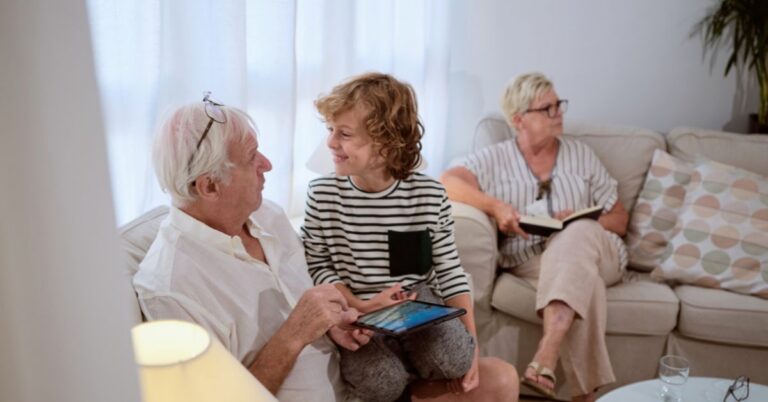


Memory loss brings more than just forgotten names or misplaced keys. It often carries away confidence, too. Many seniors experience this challenging reality, but the right memory care facility in Monona, WI can help restore both self-assurance and respect. Memory care works because it creates spaces where seniors feel genuinely understood—environments where predictable routines become the building blocks for renewed confidence.
When memory fades, the right care environment can make all the difference in preserving self-esteem and fostering continued growth, proving that specialized memory care extends far beyond managing cognitive decline.
This blog highlights how a structured environment in a memory care community in Monona, WI, inspires confidence and growth. Specialized therapies (music, adaptive art, reminiscence) and personalized goals validate residents’ self-esteem, ensuring a purposeful and comforting New Year.
What are the Best Therapeutic Activities Used in a High-Quality Memory Care Community to Inspire Confidence?
Memory care communities understand that the right activities can unlock joy and confidence in ways that surprise everyone. These programs meet people exactly where they are cognitively, creating opportunities for genuine success and meaningful connection.
Music therapy and rhythm-based sessions
Something remarkable happens when familiar songs fill the room. Even advanced dementia can’t silence the brain’s response to music. Seniors light up during structured music sessions, their faces changing as beloved melodies stir powerful memories and emotions. Drumming circles offer something equally special—simple movements that feel achievable, building self-esteem one beat at a time.
Reminiscence therapy using personal memory boxes
Picture opening a box filled with your most treasured memories. Personal memory boxes hold photographs, mementos and familiar objects that instantly transport residents to earlier chapters of their lives. These tangible pieces of the past spark natural conversations and validate experiences. Quality memory care communities use these sessions to help residents share the stories behind their treasures, strengthening their sense of identity and personal history.
Adaptive art and creative expression
Art therapy in a memory care community in Monona, WI, removes the pressure of perfection. Every project gets modified to match individual abilities, ensuring success no matter the cognitive level. These sessions awaken the senses through different textures, colors and materials. The finished pieces often amaze family members—proof that creativity endures despite memory challenges.
Skill stations for daily task practice
Folding laundry, organizing tools, arranging flowers—these everyday activities might seem simple, but they tap into something deeper. Procedural memory often outlasts other types of memory, making these familiar tasks perfect confidence builders. Residents who once took pride in managing households or mastering their trades find pieces of themselves again through these purposeful activities.
Guided storytelling and life review
Everyone has stories worth telling. Structured storytelling sessions use photographs, prompts or themes to help residents share their life experiences. This approach welcomes all cognitive levels—some contribute full narratives while others offer single words or gestures. Either way, each session validates personal wisdom and creates connections between residents who discover unexpected common ground.
What Makes a Memory Care Community Inspiring in the New Year?
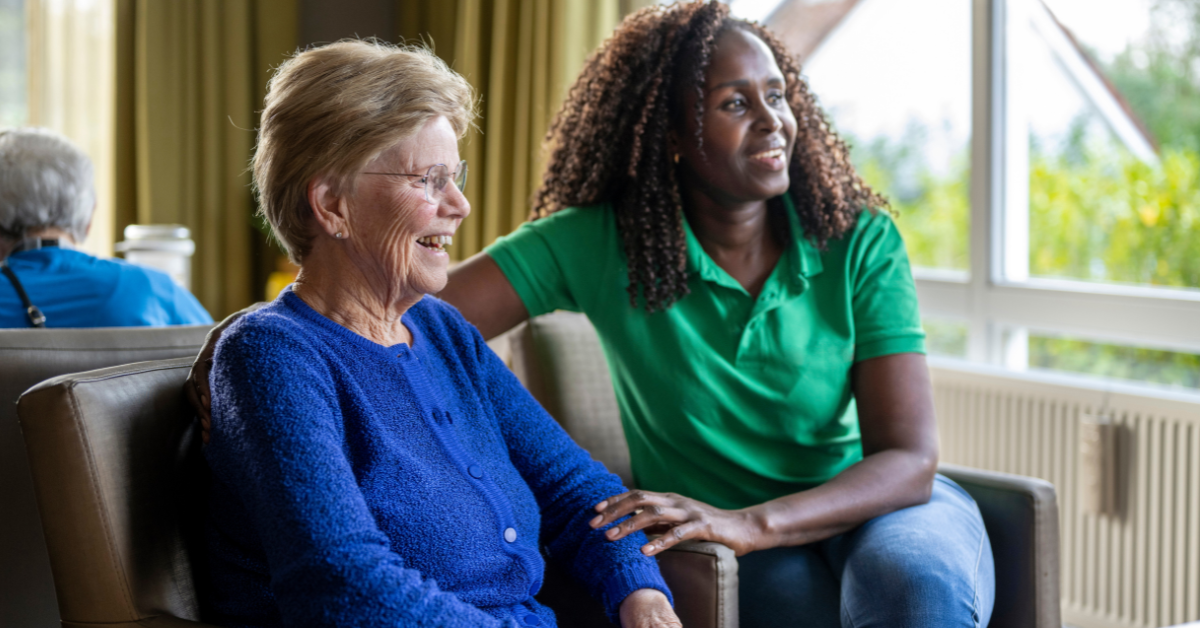
A look at Heritage Monona’s approach to growth and renewal this new year
Heritage Monona doesn’t just provide care—it builds on what makes each resident unique. This community focuses on compassionate, individualized support for people with Alzheimer’s and related conditions, with professional staff available around the clock.
January’s symbolic fresh start creates real opportunities for meaningful progress in memory care settings. Research reveals encouraging news about goal-setting for people with dementia—about three-quarters of participants (UCLA Health, n.d.) met or surpassed their personal objectives when given structured support.
The SMART method (Specific, Measurable, Attainable, Rewarding, Timely) works especially well for memory care residents. When big objectives are broken into small daily steps, residents experience regular success. These victories build genuine confidence and help counter the frustration that memory challenges can bring.
A Hopeful Journey
Memory care does something remarkable—it gives back what memory loss tries to take away. Respect, confidence and purpose don’t have to disappear when memory fades. The right care environment makes all the difference, creating spaces where residents truly flourish despite their challenges. Person-centered care matters because it sees the whole person, not just their diagnosis.
Want to discover how Heritage Monona can support your family’s journey? Call (608) 441-9990 today. Speak with professionals who understand your concerns and can share how memory care focused on confidence, comfort and growth might be exactly what your loved one needs.
FAQs
Q1. What kinds of therapeutic activities do memory care communities usually offer?
Most memory care communities provide a variety of hands-on, therapeutic activities designed to help residents feel confident and engaged. These often include music therapy, reminiscence activities using personal memory boxes, adaptive art projects, skill stations for practicing everyday tasks and guided storytelling or life-review sessions. The goal is to support emotional well-being while keeping residents meaningfully involved.
Q2. How is person-centered care different from traditional memory care?
Person-centered care is all about the individual. Instead of following one set schedule for everyone, care routines are adjusted to match each resident’s preferences, habits and abilities. Staff take the time to learn residents’ life stories and strengths, which helps reduce agitation and improve mood. Traditional care tends to be more rigid, while person-centered care adapts to the person, not the other way around.
Q3. Why is the New Year a good time to set goals in memory care?
The New Year naturally feels like a fresh start, which makes it a great time to introduce gentle, meaningful goals in memory care. Rather than focusing on big outcomes, communities often set quality-of-life goals—like participating in an activity or enjoying a daily routine. Personalized goal-setting can be very effective for people with dementia, especially when progress is celebrated through small, everyday wins.