


Weather affects our aging loved ones in ways that might surprise you in assisted living in Greenfield, WI. Even subtle changes, like shifts in barometric pressure, can send arthritis pain soaring or trigger debilitating migraines. When you’re weighing assisted living communities in Greenfield, WI, these hidden weather connections matter more than you might expect. Your loved one’s comfort depends on understanding them.
Weather poses serious, often hidden threats to seniors that go far beyond simple discomfort, requiring proactive planning and specialized care approaches.
Through this blog, you will see how hidden environmental triggers, like humidity and barometric pressure, impact senior mental health and chronic conditions. Discover tips for managing Seasonal Affective Disorder (SAD) and reducing allergen exposure to ensure resident well-being during weather events.
Which Types of Extreme Weather (Heat vs. Cold) Have a Bigger Negative Effect on Mental Health?
Both heat and cold affect mental health, but they hurt in different ways. Extreme heat consistently lowers mental health scores among older adults. Cold temperatures, however, seem to target thinking itself more directly. Seniors face greater cognitive struggles when they feel cold compared to when they feel hot.
What is seasonal affective disorder (SAD)?
Think of seasonal affective disorder as your body’s emotional response to nature’s changing rhythms. This type of depression follows seasonal patterns, typically arriving with shorter fall and winter days when sunlight becomes scarce. Most people experience winter-pattern SAD, though some face the less common summer version.
Winter-pattern SAD shows up in ways that might feel familiar:
- Sleeping more than usual while energy plummets
- Craving carbs and gaining weight
- Pulling away from others (what experts call “hibernating”)
- Feeling hopeless or worthless
SAD touches millions of Americans, with older adults facing particular vulnerability. Here’s something that might surprise you: women receive SAD diagnoses four times more likely than men (Office for the Aging, 2023). Geography matters too—those living farther from the equator encounter greater risk because winter sunlight becomes increasingly limited.
How isolation during storms affects mood
Weather disasters leave invisible scars on the heart and mind. Hurricanes, floods and wildfires create emotional wounds in seniors that can last years. Isolation hits hardest when seniors already face cognitive challenges.
Tips for maintaining emotional well-being during weather events
Hope lives in preparation and connection. For residents at assisted living communities in Greenfield, WI, several approaches can protect emotional health during challenging weather. Light therapy using special lamps that mimic natural sunlight offers real relief for SAD symptoms. Simple dietary changes help too—fatty fish, egg yolks and fortified dairy products boost vitamin D levels, which often run low in people with SAD.
Connection matters most during weather emergencies. Whether through video calls, phone conversations or in-person visits, maintaining relationships provides an emotional anchor when storms rage.
How Do Environmental Triggers Like Humidity and Allergens Affect Chronic Conditions?
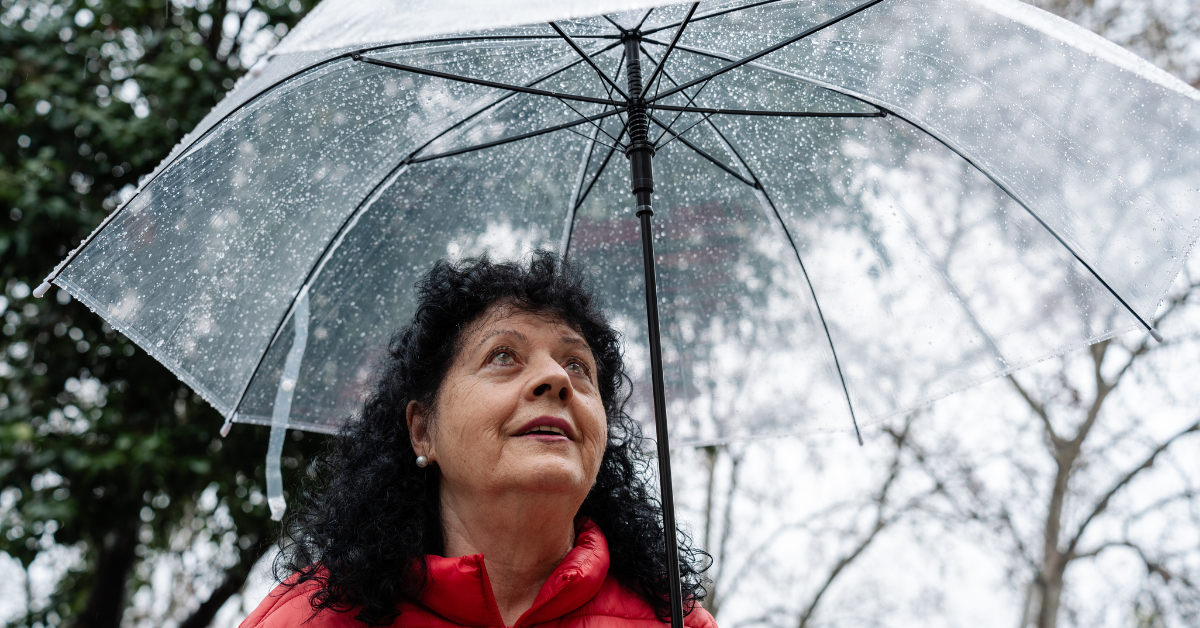
The air your loved one breathes matters more than most families realize. Environmental factors like humidity and allergens quietly worsen existing health conditions for seniors at assisted living in Greenfield, WI. These invisible threats deserve your attention because understanding them helps you choose communities that truly protect vulnerable residents.
What medical conditions are most sensitive to high humidity?
Humidity affects seniors’ bodies in surprising ways. When humidity rises above 70% and temperatures climb past 70°F, older adults face serious health risks. Their hearts works much harder to pump blood efficiently, putting extra strain on those already dealing with heart disease or high blood pressure.
Seniors with asthma face a double burden. Humid air narrows their airways while trapping more pollutants and allergens in the stagnant atmosphere. The situation worsens because aging bodies lose their ability to cool through sweating, up to 25% less efficiently after age 60.
Pollen, mold and respiratory flare-ups
Recent findings reveal troubling connections between pollen exposure and death rates among older adults with breathing problems. Climate change extends pollen seasons, creating heightened risks for seniors with chronic conditions.
The aging process makes these problems worse. Older adults’ airway barriers become less effective at filtering harmful particles. Their immune systems also produce fewer regulatory cells, making them more sensitive to allergens. This explains why asthma and allergic rhinitis—typically young people’s diseases—increasingly affect and threaten senior populations.
How to reduce allergen exposure in shared spaces
Simple steps make dramatic differences in communal living environments:
- Control humidity levels – Keep indoor humidity using dehumidifiers in damp areas
- Improve filtration – Install air purifiers with HEPA filters in common rooms
- Clean regularly – Use HEPA-filtered vacuums on floors, carpets and upholstery
- Fix moisture problems – Address water leaks immediately to prevent mold growth
- Protect bedding – Use allergen-proof covers to reduce dust mite exposure
Taking Action
What matters most is taking action before a crisis hits. Weather preparedness isn’t something you can afford to leave to chance. The communities that truly understand these hidden impacts—and prepare for them—offer something invaluable: peace of mind when the storms come. Your loved one deserves care providers who see beyond the obvious and plan for the unexpected. Contact us at (414) 425-9551 to schedule a tour of Heritage Lexington and learn more about our assisted living approach.
FAQs
Q1. How can the weather affect the mental health of older adults?
Weather can have a bigger impact on seniors’ mental health than many people realize. Extreme heat, for example, has been linked to higher stress levels and even increased suicide risk, while very cold temperatures can make it harder to think clearly or stay mentally sharp. Seasonal changes — especially shorter, darker days — can also trigger Seasonal Affective Disorder (SAD), leading to feelings of sadness or fatigue. And when storms or extreme weather keep people indoors for long periods, isolation can sometimes contribute to anxiety or depression.
Q2. What effect does humidity have on seniors with chronic health conditions?
High humidity can be especially tough on older adults, particularly those with heart or lung problems. When the air is humid, the heart has to work harder to pump blood and breathing can feel more difficult — especially for people with asthma or COPD. Once humidity levels climb above 70% and temperatures are over 70°F, the combination can become risky for seniors, increasing the chances of fatigue, dehydration and even heat-related illness.