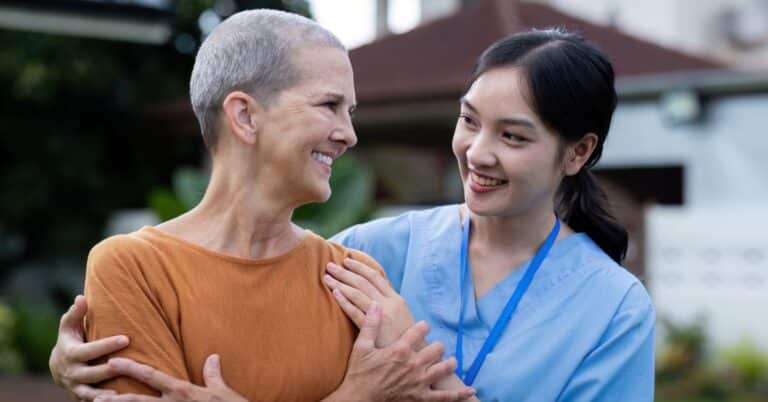


Something beautiful happens when gratitude becomes part of daily life in a memory care community in Menomonee Falls. We’ve spent this past year watching how simple expressions of thankfulness create meaningful moments for both residents and the families who love them. These aren’t grand gestures—they’re the small, genuine acknowledgments that help people feel seen and valued, even when memory becomes uncertain.
When implemented consistently, gratitude transforms memory care from basic assistance into meaningful connection, proving that thankfulness isn’t just a pleasant sentiment—it’s essential medicine for both mind and heart in memory care settings.
This blog highlights how gratitude transforms the memory care community in Menomonee Falls. We explore meaningful activities like Sensory Baskets and the Gratitude Tree, proving that intentional thankfulness reduces resident anxiety. Gratitude, modeled by staff, creates profound emotional connections, validating residents’ life stories and improving well-being.
What Specific Activities or Programs Best Encourage a Sense of Gratitude and Growth in Memory Care?
The activities that work best are often the simplest ones—those that connect with residents through their senses, memories and hearts. Over this past year, we’ve learned that successful programs aren’t about elaborate setups or complex instructions.
Sensory gratitude baskets and memory triggers
Touch tells stories that words sometimes cannot. Fill baskets with soft fabrics, textured objects and familiar scents that can unlock memories in unexpected ways. A senior might hold a piece of velvet and suddenly remember her mother’s evening dress or catch the scent of lavender and smile at a memory of her garden. These curated collections include fuzzy socks, plush toys and fabrics with different textures that invite exploration. For residents with advanced dementia, these sensory experiences can offer comfort and reduce anxiety while keeping their minds gently engaged.
The ‘Thank You Tree’ and visual reflection tools
A Gratitude Tree can become more than a decoration—it can become a gathering place. People can write what they’re grateful for on leaf-shaped papers, then watch the tree bloom with appreciation throughout the month. The simple act of writing “thankful for my daughter’s visit” or “grateful for morning coffee” creates conversations. Building habits of gratitude helps residents express thankfulness even during their most difficult days.
Music and memory: using playlists to spark joy
Music reaches people in ways that surprise us every day. A woman who struggles to remember her own name will suddenly sing every word of a song from 1955. That’s because music from someone’s youth—typically their teens and twenties—creates profound emotional connections that memory loss can’t break. These familiar melodies can help residents access memories that might otherwise stay locked away.
Gratitude journaling and storytelling circles
Stories connect us to who we are and who we’ve been. Storytelling circles provide spaces where residents can share memories while others listen with genuine interest. These guided sessions encourage people to talk about their experiences, creating connections that validate their life stories. Another idea is the daily gratitude check-ins, where each person shares one thing they appreciate. These practices can help residents process their emotions and feel less alone by sharing experiences with others who understand.
Faith-based practices and spiritual reflection
Faith often remains strong even when other memories become unclear. Spiritual practices can significantly reduce loneliness and build emotional strength among residents. These practices honor the beliefs that have guided residents throughout their lives while creating moments of peace and reflection. Prayer, meditation and religious rituals provide comfort and recognition that transcends cognitive challenges.
How Does Gratitude Shape Daily Life in a Memory Care Community?
Watch any memory care community for a day and you’ll notice something: the emotional tone set by staff spreads everywhere. When that tone includes genuine appreciation, something shifts in ways that surprise even experienced caregivers.

Why gratitude matters for residents with memory loss
Research found that residents who experience consistent gratitude from their caregivers show lower levels of anxiety and depression (Özdemir et al., 2022). These same residents often surprise families with moments of clarity and connection that seemed impossible just weeks before. Their stress levels drop, which helps with sleep problems that plague so many families. When someone feels genuinely appreciated for who they are—not pitied for what they’ve lost—their whole demeanor changes.
The beauty of gratitude lies in how it redirects focus. Instead of dwelling on what’s slipping away, residents notice what remains good in their day. A warm smile, a favorite song, the comfort of routine—these become anchors that keep them connected to joy, even when memory wavers.
How staff model and encourage thankfulness
Here’s something we’ve learned: residents mirror the emotional energy around them more than most people realize. When our team approaches each person with genuine appreciation for their unique story and personality, residents feel that respect. It creates a place where they can express needs without fear of being dismissed.
The Power of Gratitude
We’d welcome the opportunity to show you how gratitude shapes life at Heritage Court Menomonee Falls. Our team understands the weight of your decision and the love behind it. Call us at (262) 781-6930 to arrange a visit and see firsthand how we honor both the person your loved one has always been and the care they need today.
FAQs
Q1. What activities are most effective for memory care residents?
Activities that tap into the senses tend to work really well. Things like memory baskets, personalized music playlists or even “Thank You Trees” help residents connect with familiar feelings and memories. These kinds of activities stimulate multiple senses, making them especially helpful for people experiencing cognitive changes.
Q2. How does practicing gratitude benefit memory care residents?
Gratitude practices can have a surprisingly big impact. They help lower anxiety and depression, create a calmer atmosphere and give residents something positive to focus on. Even simple gratitude moments can help residents feel more grounded and emotionally supported.
Q3. What impact does staff gratitude have on the memory care community?
When staff consistently express and model gratitude, it tends to lift the whole community. Residents often feel more at ease, overall satisfaction improves and caregivers themselves experience better morale. This positive culture can even help with caregiver retention, since people feel appreciated and supported.