
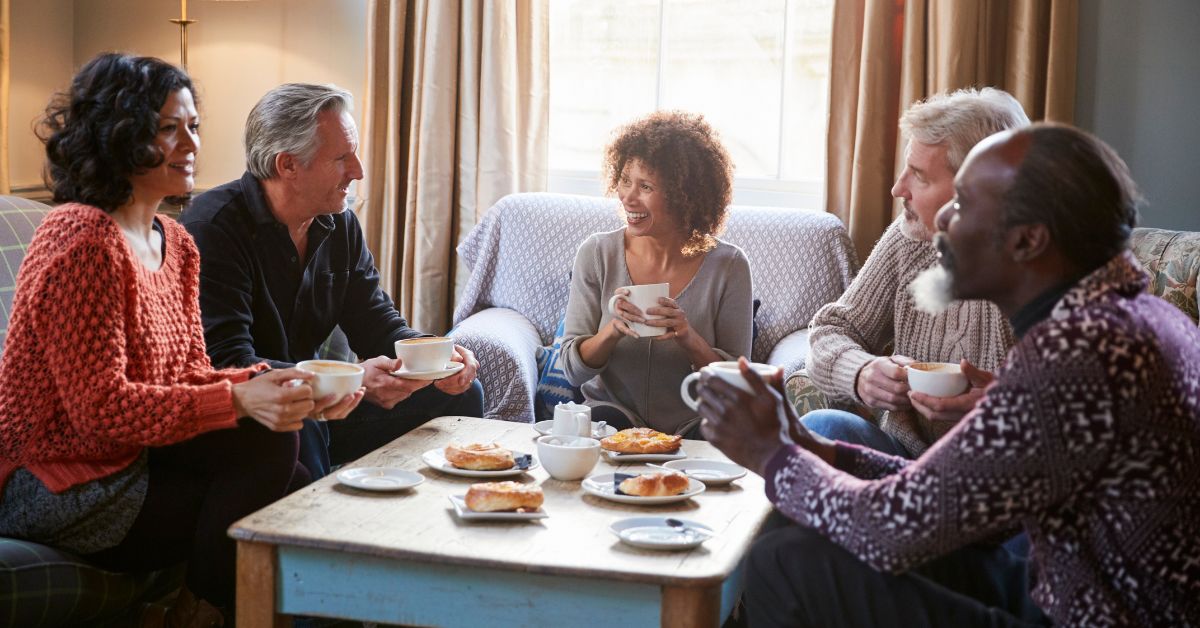
Your loved one’s transition to assisted living in Hartland, WI, brings fresh opportunities to build meaningful family connections. Relationships with other families create powerful support networks that reduce caregiver stress and strengthen emotional well-being for residents and their loved ones alike.
Family connections in assisted living communities create powerful support networks that benefit both residents and caregivers through shared experiences and mutual understanding.
At Heritage Lake Country, assisted living family support involves building essential peer networks where caregivers share resources and overcome isolation. This connection is fostered through staff-facilitated introductions, family activity days and participation in care plan meetings and support groups, enhancing both resident social engagement and caregiver peace of mind.
How Do Other Families Connect and Support Each Other at Assisted Living?
Building a circle of support with other families creates meaningful connections that benefit both caregivers and residents. At Heritage Lake Country, these relationships help families move from isolation to community during their caregiving experiences. Here is how that support functions:
- Creates a Peer Network: Families form a “circle of support” by connecting with others facing similar caregiving experiences.
- Combatting Isolation: This network helps family members and caregivers transition from feelings of isolation to a sense of community and shared understanding.
- Double Benefit: The meaningful connections provide residents with increased social engagement and offer caregivers valuable shared experiences and resources.
Starting conversations with other families
Community events offer natural conversation opportunities. Try these approaches:
- Ask about the activities their loved one enjoys most
- Share a caregiving tip that worked well for you
- Mention community resources you’ve found helpful
- Comment on something positive about the day’s event
Building your family support network
Staff members can help connect you with families who share similar interests or challenges. Family activity days work especially well for meeting others—relatives participate alongside residents, creating relaxed environments for new friendships.
Consider coordinating visit schedules with other families. Regular check-ins become more meaningful when multiple families participate.
What Are the Best Ways to Get Involved as a Family Member?
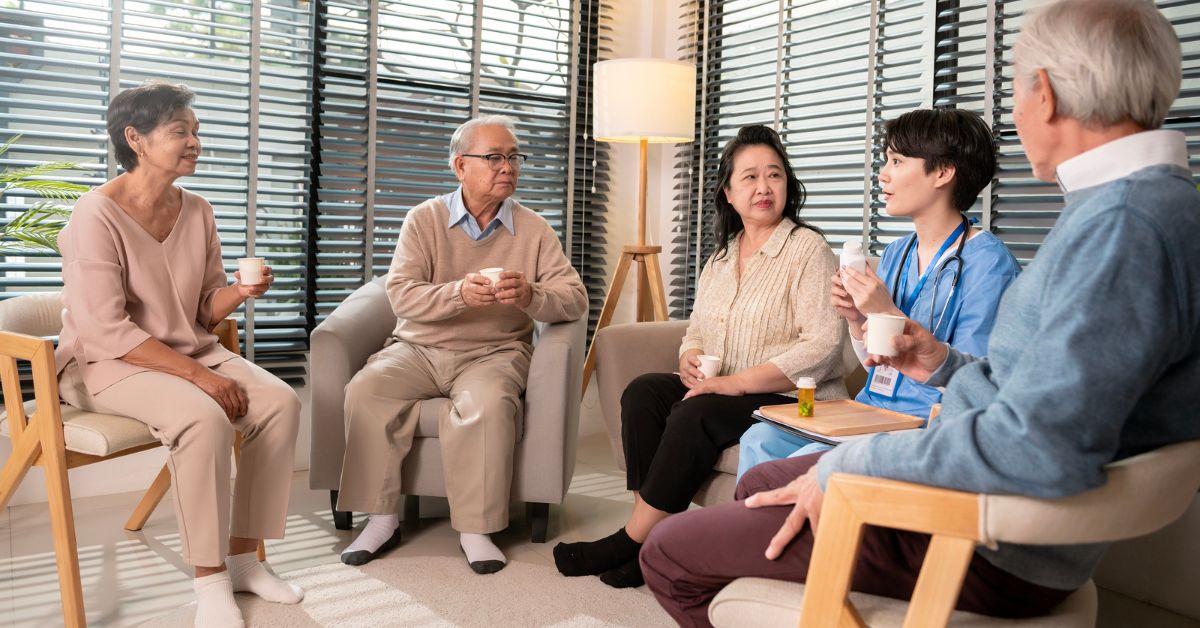
Active participation strengthens connections between families and their loved ones. Regular visits matter, but several meaningful approaches create deeper involvement that benefits everyone.
Participating in care meetings
Scheduled care plan meetings allow you to influence your loved one’s care directly. These federally mandated quarterly meetings review individual care plans and adjust services as needed. Come prepared with questions or concerns and bring notes about changes you’ve observed. Share background information about preferences and habits that could improve care quality.
Family involvement—specifically in education and support (as practiced in care meetings and check-ins)—is not just “nice to have,” but a powerful mechanism that directly improves a senior’s health trajectory (reducing readmissions) and reduces medical costs, which are benefits for both the family and the community. Integrating family caregivers into the post-discharge process lead in a 25% decrease in the risk of the senior patient being readmitted to the hospital within 90 days (Journal of the American Geriatrics Society, 2017).
Volunteering for events or activities
Your time and talents create meaningful experiences for all residents. Communities welcome help with special events and holiday celebrations. Musical or artistic skills provide entertainment opportunities. Meal assistance and activity programs benefit from volunteer support. Some family members serve as friendly visitors to residents who receive fewer visits. Most communities appreciate both regular commitments and occasional help.
Attending support groups and workshops
Support groups allow you to connect with others facing similar challenges. Families can get involved in both in-person and online groups, young adult caregivers and specific health conditions. These groups offer emotional support, practical advice and valuable resource sharing among peers who understand your experience.
Using digital tools to stay informed
Digital platforms maintain connections across distances. Family portals let you manage your loved one’s health information, monitor daily activities and receive updates about community events. Video calling platforms have changed how families connect, enabling participation in virtual activities when you can’t visit in person. These tools provide peace of mind through regular updates about your loved one’s well-being.
Real Connections at Heritage Lake Country
Family connections form the heart of quality life in assisted living communities. These relationships provide essential emotional support, better health outcomes and a stronger sense of belonging for residents while offering peace of mind for family members who want to stay actively involved.
Building a supportive network takes time but creates lasting benefits for everyone involved. Rather than face caregiving challenges alone, you build a community of understanding peers who share resources, offer encouragement and celebrate milestones together. This sense of belonging enriches both your experience and your loved one’s quality of life.
Call Heritage Lake Country at (262) 367-2975 today to schedule a tour. Discover firsthand how their vibrant community creates meaningful connections between residents, families and caregivers. Your journey toward finding the right assisted living environment becomes much easier when supported by others who truly understand what matters most.
FAQs
Q1. How does Thanksgiving boost happiness for residents in senior living communities?
Thanksgiving is all about connection and togetherness. Shared meals, family visits and storytelling bring residents closer and create a real sense of belonging. It’s also a time for reflection — celebrating memories and life milestones with others makes the day especially meaningful.
Q2. Can gratitude practices actually improve physical health for older adults?
Yes, they really can. Practicing gratitude can strengthen the immune system, lower blood pressure, improve sleep and even help manage stress. Over time, these benefits add up — supporting better physical health and overall well-being.
Q3. Are there lasting benefits to having a gratitude-centered culture in senior living?
Definitely, a culture of gratitude helps residents and staff feel more connected, builds stronger relationships and supports smoother transitions through different stages of care. It also encourages positive daily habits that improve mood, health and overall quality of life — creating a community where everyone can truly thrive.
